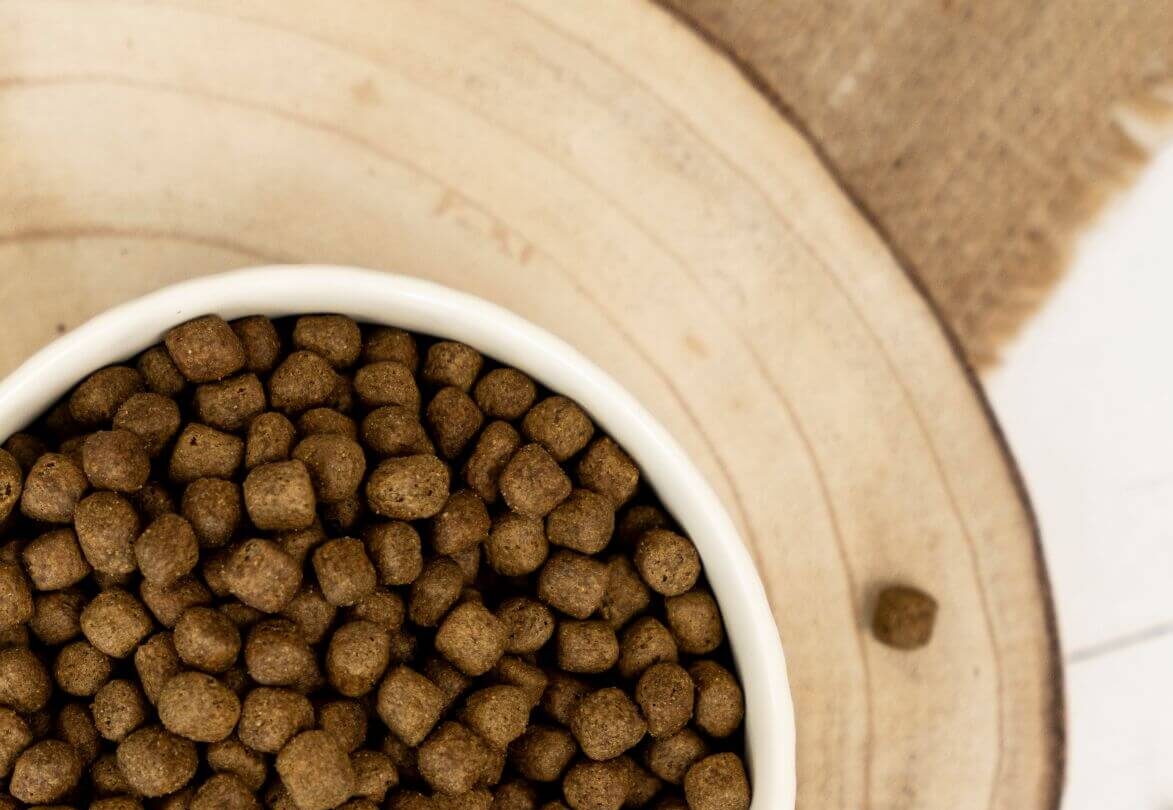

Intolerances in dogs are more widely recognised today, with some veterinary studies suggesting that some dogs experience adverse reactions to certain ingredients such as specific proteins, cereals and grains.
The rise of the grain-free movement has encouraged owners to look more closely at what goes into their dog’s bowl, prioritising more easily digestible and natural ingredients.
For owners exploring whether a grain-free diet could support their dog’s wellbeing, this guide covers everything you need to know: how grain-free diets work, signs your dog may benefit, what vets say, and how to transition safely. You’ll also find a link to the Natural Dog Food Company’s grain-free range, created with a commitment to natural ingredients, thoughtful sourcing and complete, balanced nutrition.
Explore Natural Dog Food Company Sensitive range.
What does grain-free dog food mean?
Grain-free dog food is formulated to avoid all grains, such as wheat, maize, rice or oats. This approach differs from regular dog food, which often uses grains as a carbohydrate source. Alternatively, they use other carbohydrate sources such as sweet potato or legumes.
Grain-free diets are similar to regular dog foods but by removing grains, the aim is to reduce symptoms of common intolerances, such as bloating, wind and diarrhoea.
These diets became popular as owners sought foods with fewer allergenic ingredients, more ancestral-style nutrition, and clearer ingredient profiles.
Do vets recommend grain-free dog food?
Veterinary opinions on grain-free diets vary. Many vets do not recommend grain-free food as a blanket rule, but they do support its use for dogs with confirmed sensitivities or allergies to grains.
Current guidance emphasises choosing nutritionally complete grain-free recipes that meet all dietary requirements.
Experts continue to investigate a reported link between grain-free diets and a condition called dilated cardiomyopathy (DCM). A study was released linking this condition to grain-free however a definitive cause has not been confirmed and a grain-free diet is still considered safe.
Why grain-free dog food? Understanding grain sensitivities
How grains can affect some dogs
Grain intolerance and grain allergy are different issues. Intolerance usually affects digestion, while allergies trigger an immune response.
Some dogs struggle with certain grains because of how their digestive system processes specific proteins or carbohydrates. Wheat, corn/maize and soy are among the most common triggers. Sensitivity can develop over time, often after repeated exposure, some studies suggest that certain breeds may be likely to have food sensitivities which are being investigated.
Benefits of grain-free diets for sensitive dogs
Dogs with grain sensitivities may experience:
- Smoother digestion and better nutrient absorption
- Reduced inflammation
- Improved vitality
- Glossier skin and coat
- More stable weight due to improved ingredient tolerance
Signs your dog may need a grain-free diet
Digestive symptoms to watch out for
- Chronic diarrhoea or loose stools
- Excessive gas or bloating
- Vomiting after meals
- Altered appetite
- Noticeable discomfort after eating
- Irregular bowel movements
Skin and coat indicators
- Persistent itching
- Red or inflamed patches
- Hot spots
- Dry, dull coat
- Thinning hair
- Paw licking or chewing
- Rashes or hives
Behavioural and energy changes
- Low energy
- Restlessness
- Altered mood
- Disinterest in usual activities
- Sleep issues linked to discomfort
Ear and other physical symptoms
- Repeat ear infections
- Head shaking
- Watery eyes
- Ongoing paw infections
When to consult your vet
Before altering your dog’s diet, a proper diagnosis is essential. Vets may use:
- Elimination diets
- Allergen testing
- Step-by-step protocols to rule out other conditions (such as parasites, infections or endocrine disorders)
Creating a diary will help your vet diagnose any issues, record when you notice symptoms, such as after eating certain foods, if they go outside etc.
What is a grain-free diet for dogs?
A complete grain-free diet must still meet all essential nutritional needs — proteins, fats, carbohydrates, vitamins and minerals.
Instead of grains, dogs receive carbohydrates through ingredients like sweet potato or other root vegetables. Grain-free foods may use a variety of protein sources, from poultry to fish, depending on the recipe.
When reading labels, owners should look for:
- Complete and balanced formulation
- Clear protein and carbohydrate sources
- Transparent ingredient listings
There are also different types of grain-free diets, ranging from single-protein recipes to hypoallergenic formulas.
Natural Dog Food Company’s grain-free range
The Natural Dog Food Company offers a thoughtfully crafted grain-free collection designed for sensitive dogs. Each recipe is supported by natural ingredients, complete nutrition and British-made quality standards.
Explore grain free products here.
Key features include:
- High-quality proteins
- Sweet potato for gentle digestion
- No artificial additives, fillers or preservatives
- Transparent sourcing
- Rigorous QA and testing procedures
- Single-protein recipes
- Hypoallergenic formula
“Since switching to NDFC’s grain-free food, our Spaniel’s itchy skin has cleared, and her energy is back to it’s best. We wish we’d made the change sooner.” — Natural Dog Food Company customer
How to switch your dog to grain-free dog food
A gradual transition prevents digestive discomfort. Sudden dietary changes can overwhelm the gut.
A typical transition takes 7–10 days:
- Days 1–3: 25% new food, 75% old
- Days 4–6: 50/50 mix
- Days 7–9: 75% new food
- Day 10: 100% grain-free
Some dogs may take slightly longer. Look for positive changes in stools, appetite and comfort.
Expert advice from Edward at Natural Dog Food Company:
“Take your time with the transition. A slow, steady change always leads to the best results for sensitive dogs.”
Monitoring your dog’s progress on grain-free food
Signs of improvement may include:
- Firmer stools and easier digestion
- Shinier coat and calmer skin
- Brighter energy levels
- Stability in mood and behaviour
Most owners see visible changes within 4–8 weeks.
When grain-free might not be the answer
Symptoms of discomfort may come from other causes such as environmental allergies, parasites or underlying illness. If issues persist, seek another veterinary assessment. Alternative diets or diagnostic tests may be required.
Grain-free dog food for different life stages
Puppies and grain-free nutrition
Grain-free diets can be suitable for puppies when designed to support growth. NDFC approaches grain-free puppy nutrition with careful balance of protein, fat and minerals to promote steady development.
Puppy Grain free diets are available, however intolerances generally show themselves in later life during adult or senior years.
Adult dogs on grain-free diets
Adult dogs may thrive on grain-free nutrition, especially if active or sensitive to grains. Portion control and energy needs should always be considered.
Senior dogs and grain-free food
Older dogs often benefit from gentler carbohydrates and improved digestibility. Grain-free diets may help maintain weight, support mobility and ease digestive strain.
Common questions about grain-free dog food
Answer these FAQ style – answers should be short and succinct.
Is grain-free dog food better than regular dog food?
Not always. It depends on your dog’s individual needs. Grain-free can help dogs with sensitivities, but both types can be healthy when properly balanced.
Are grain-free and gluten-free the same thing?
No. Gluten-free may still include some grains, while grain-free excludes all grains entirely. Each may be appropriate in different situations.
Will grain-free food help my dog lose weight?
Only if calorie intake is controlled. Grain-free food can support weight management, but portions and overall calories remain key.
Can I give my dog treats on a grain-free diet?
Yes — but stick to grain-free treats to avoid undoing dietary progress. See NDFC’s grain-free treat options.
How much does grain-free dog food cost?
Grain-free diets can be more expensive due to ingredient quality. Many owners find the long-term health benefits worth the investment. NDFC offers competitively priced, premium grain-free options.
Is grain-free dog food safe long-term?
Yes, when recipes are complete and balanced. It’s wise to maintain regular vet checks, especially for dogs with existing health issues.
Do grain-free diets provide enough fibre?
Good grain-free formulas use vegetables and legumes to supply adequate fibre. NDFC recipes are formulated with balanced fibre content for healthy digestion.
Making the right choice for your dog
Understanding the signs of grain sensitivity is the first step towards supporting your dog’s wellbeing. A veterinary consultation helps ensure dietary changes are appropriate and safe.
Choosing a high-quality grain-free diet can provide meaningful benefits for sensitive dogs. To explore suitable options, take a look at the Natural Dog Food Company’s Sensitive range which is grain-free.
Every dog is unique, so monitor their response carefully and trust what you see. A gentle change in diet could make all the difference.
Keep in touch:
Facebook: @naturaldogfoodcompany
Instagram: @naturaldogfoodco
For more helpful articles visit our blog!