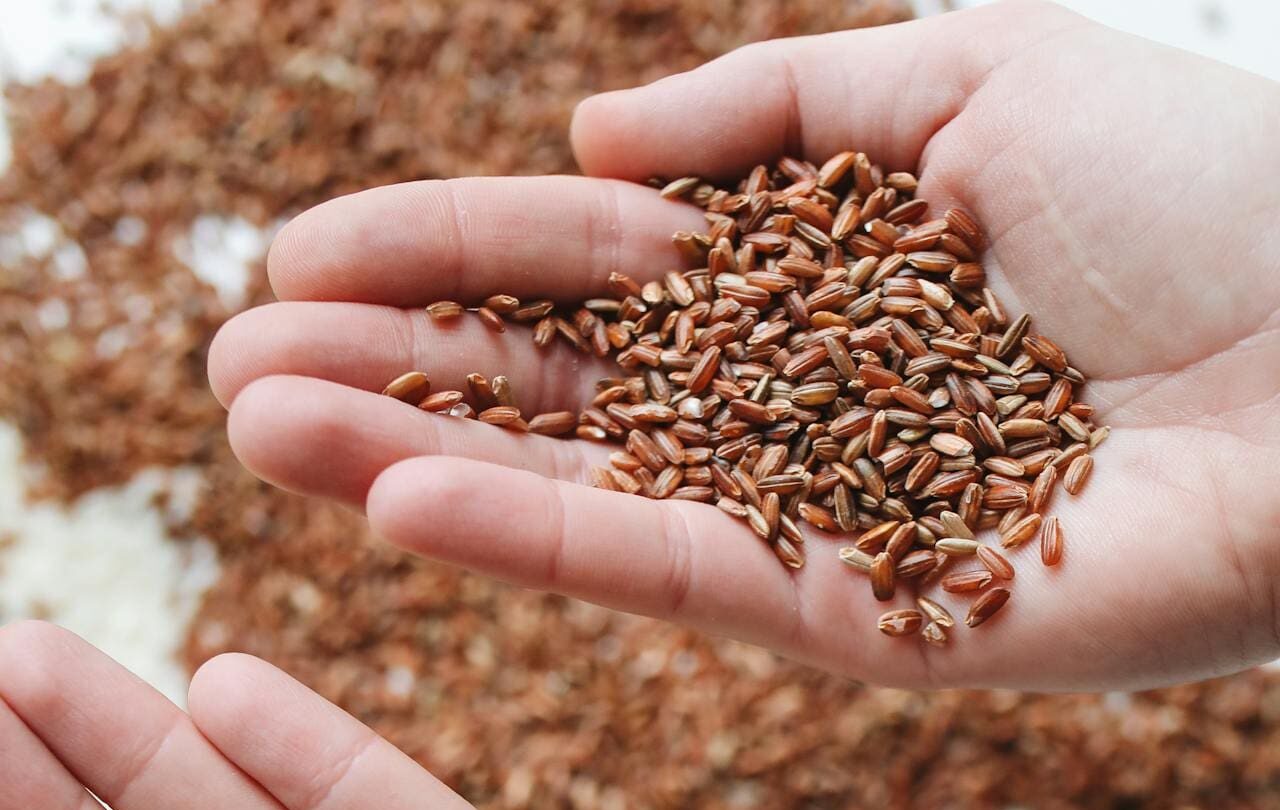

Many dog owners find themselves wondering whether it’s safe to dish up a spoonful of rice for their pets, can dogs eat rice? This guide offers clarity, covering the different types of rice, how much to feed, when it’s beneficial, and when it’s best avoided.
You’ll also find guidance on high-quality carbohydrate sources found in Natural Dog Food Company recipes. With years of experience in natural, balanced canine nutrition, NDFC provides insights you can trust.
Can dogs eat rice? The quick answer
Yes, rice is generally safe for dogs. It’s a simple, easily digestible carbohydrate that can support energy levels and soothe unsettled stomachs.
White rice is often used for digestive upsets, while brown rice offers more nutritional value. However, rice should be fed in moderation and always prepared plainly. Dogs with diabetes, grain sensitivities, or weight issues may need to avoid or limit rice.
Understanding rice in your dog’s diet
Nutritional value of rice for dogs
Rice provides carbohydrates that supply steady energy. Its starch content is gentle on the digestive system, and it’s naturally low in fat. While it contains small amounts of protein, it’s not a complete source.
It offers B vitamins and minerals such as iron and magnesium, with brown rice supplying more fibre, however rice lacks essential fatty acids and the full amino acid profile a dog needs.
How dogs digest rice
Dogs can digest carbohydrates thanks to enzymes that break down starches. Rice tends to be particularly easy on the stomach, which is why it’s commonly used in diets after stomach upsets. Its digestibility generally surpasses that of many other grains. One consideration is its impact on blood sugar, which is greater with white rice.
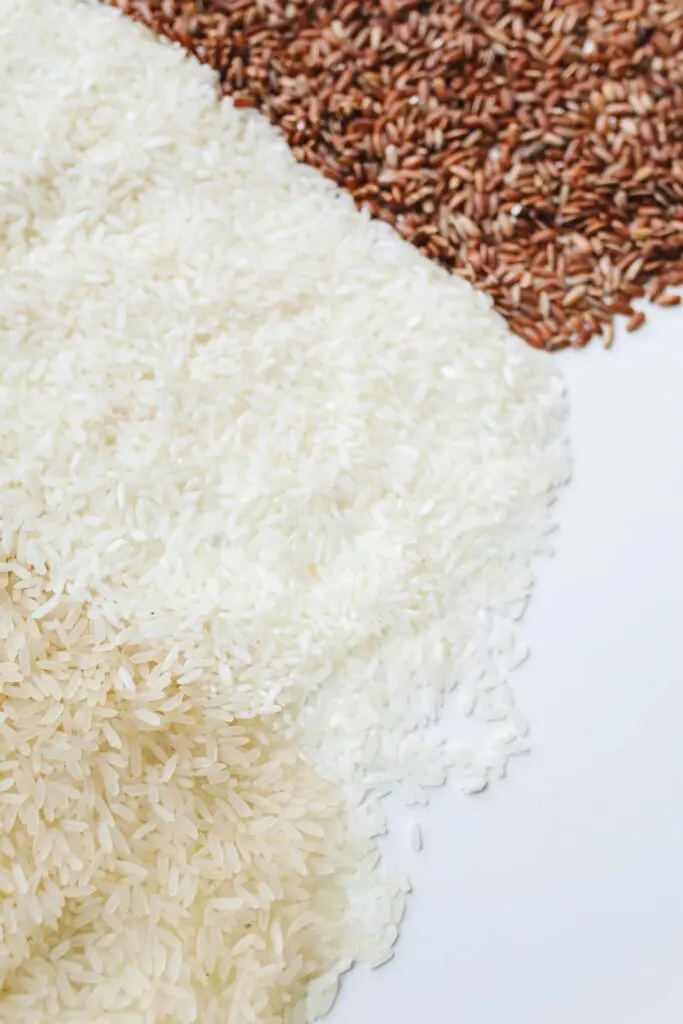
Can dogs eat white rice?
White rice can be helpful for dogs, especially when they need a bland meal during digestive issues. It must always be served plain, without salt, stock, butter or seasonings.
Its drawbacks include a higher glycaemic index, fewer nutrients than brown rice, and the possibility of contributing to weight gain if overfed. It isn’t suitable as a main diet component and is not ideal for diabetic dogs.
Can dogs eat brown rice?
Brown rice has several advantages, including higher fibre levels that support healthy digestion. It contains more vitamins and minerals than white rice, offers a lower glycaemic response, and tends to keep dogs fuller for longer which is useful for weight management. As a whole grain, it delivers broader nutritional benefits.
Brown or white rice for dogs?
Brown rice retains the bran and germ layers, giving it more fibre, vitamins, minerals and slightly more protein. Whether it’s the “healthier” choice depends on your dog’s needs. Dogs with sensitive stomachs may do better with white rice, while those needing more fibre or steadier energy might benefit from brown rice. Some dogs may struggle to digest brown rice if fed in large quantities.
Can dogs eat cold rice?
Leftover rice can be safe if handled correctly. It must be refrigerated within two hours of cooking and stored in an airtight container for no more than three to four days. Any sour smell, sticky texture, or mould indicates spoilage and it should not be fed to dogs.
How to safely feed rice to your dog
Rice should always be fully cooked and never raw. Prepare it in plain water without seasoning. Allow it to cool before serving, and rinse it beforehand if preferred. Use the standard cooking ratio advised for the variety you’re using. The ideal texture is soft and completely cooked through. Portions must be controlled, ideally forming only a small part of the diet, unless fed as part of a complete natural dog food recipe such as those from the Natural Dog Food Company.
When rice is beneficial for dogs
Rice can help during digestive upset, when making a bland meal alongside a lean protein. It serves as a useful energy source for active dogs and can offer quick carbohydrates for working dogs needing rapid refuelling.
Rice allergies and sensitivities
Though uncommon, some dogs can be intolerant to rice. Symptoms may include itching, skin irritation, or digestive problems. It’s important to distinguish between an allergy and a simple intolerance. If grains seem problematic, grain-free dog food or hypoallergenic dog food may be more appropriate.
Rice in dog food
Rice is often included in dog food because it’s gentle on digestion and provides a reliable source of energy. Quality matters: whole grain rice offers more nutrients than heavily processed versions. It should complement a balance of proteins, fats, vitamins and minerals—not serve as a filler or dominate the recipe. We prioritise high-quality carbohydrate sources that support overall nutrition. Always check labels to see what role rice plays in a formula.
Natural Dog Food Company’s approach
We use carefully selected ingredients in balanced proportions, ensuring that rice contributes to a complete and nourishing meal. Within its hypoallergenic range, brown rice is included alongside high-quality proteins and other beneficial ingredients. For dogs needing grain-free diets, we offer recipes featuring alternative carbohydrate sources. Many customers report excellent results when switching from homemade diets to our complete meals.
Can puppies eat rice?
Yes, puppies can have rice in moderation. It’s best introduced after eight weeks of age and served in smaller portions than you would give an adult dog. Their main diet should still come from a complete puppy food. Rice can help soothe mild digestive issues, but it’s wise to consult a vet before altering the diet of a very young puppy.
Can dogs eat rice pudding?
Rice pudding isn’t suitable for dogs. It contains high levels of sugar and is often made with milk or cream, which can upset the stomach of dogs that struggle with lactose. Some recipes also include dangerous ingredients such as raisins, chocolate, nutmeg or xylitol. These risks make plain cooked rice the far safer option.
Can dogs eat rice cakes?
Plain rice cakes are generally safe in very small amounts, provided they contain no added salt or flavourings. They offer little nutritional value, though, and better treat options exist. Our Natural Dog Food treat range provides more appropriate choices.
How much rice can I give my dog?
A good guideline is to keep rice within 10% of your dog’s daily calorie intake. Serve modest portions according to your dog’s size, and do not use rice as a complete meal replacement. Balance it with protein and vegetables if preparing meals at home.
Can rice cause constipation in dogs?
White rice has a binding effect, which can be helpful during diarrhoea but may contribute to constipation if overfed. Brown rice, with its higher fibre content, is less likely to cause this issue. Ensure your dog drinks enough water and monitor their stool. Adjust the amount of rice if any issues appear.
Can dogs with pancreatitis eat rice?
Dogs with pancreatitis are often placed on low-fat diets, and plain white rice can form part of this, typically served with lean protein. Follow your vet’s dietary guidance closely, and never change the diet without their approval.
Signs your dog shouldn’t have rice
Possible indicators include itching, skin inflammation, digestive upset after rice consumption, weight gain, or blood sugar concerns in diabetic dogs. If any of these issues arise, it’s sensible to consult your vet.
Rice as part of a balanced approach
Rice can be a safe and useful component of a dog’s diet when fed in moderation. It works well within complete foods such as our hypoallergenic dog food range or as an occasional addition for digestive support. However, rice alone isn’t enough to meet a dog’s nutritional requirements, so a balanced, complete dog food should always form the mainstay of their diet. To explore suitable recipes, take a look at Natural Dog Food Company’s nutritionally complete dog food range. If you have specific concerns about your dog’s diet, speak with your vet for tailored advice.
Check out our blog, Signs your dog may need a grain-free diet: Expert guide to grain sensitivities.
For more blog posts, visit our blog page!
Keep in touch:
Tiktok – naturaldogfoodcompany
Facebook – naturaldogfoodcompany
Instagram – naturaldogfoodco