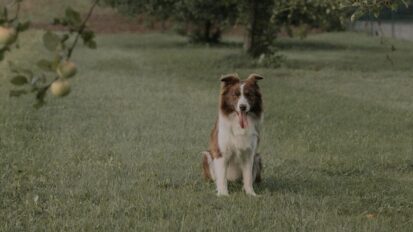

Hearing is one of your dogs most important senses. It helps them navigate the world, respond to commands, communicate with other dogs and stay alert to potential dangers.
On World Hearing Day (held each year on the 3rd March), the focus is often on human health but it is also the perfect time to think about hearing loss in dogs and how we can protect our dogs.
Why is hearing important for dogs?
Dogs rely on their hearing far more than we do. In fact a dogs hearing range is significantly greater than a humans especially when it comes to high frequency sounds.
Healthy hearing allows dogs to:
- Detect distant sounds
- Respond to voice commands
- Communicate with other dogs
- Stay aware of potential threats
- Feel confident in their environment
As dogs age or if they experience injury or illness, they can develop partial or complete hearing loss. This can affect their behaviour, safety and overall quality of life.
Signs of hearing loss in dogs
Hearing problems can be subtle at first. It is important to be aware of what is normal for your dog. Here are common signs of dog hearing loss to look out for:
- Lack of response to sounds
If your dog no longer reacts to familiar noises like the doorbell, a squeaky toy or a treat packet rustling it may indicate reduced hearing. - Not responding to their name
A delay in responding or no response at all when called could be more than just selective hearing. - Increased barking or howling
Some dogs bark louder or more frequently because they can’t hear themselves properly. - Easily startled
Dogs with hearing loss may jump or startle when touched because they didn’t hear you approach. - Confusion or disorientation
Appearing confused in new environments may be linked to difficulty hearing environmental sues.
If you notice one of more of these symptoms it may be time to investigate further.
How to test your dogs hearing at home
If you’re wondering how to check your dogs hearing there are simple, safe ways to observe their response to sound.
- Use hand claps. Stand a short distance behind your dog (out of sight) and clap your hands softly. Gradually adjust the distance. A lack of reaction could signal hearing decline.
- Call your dogs name. Try calling their name at different volumes and in different rooms. Watch for delayed or absent responses.
- Try a whistle. A dog whistle produces high frequency sounds. If your dog doesn’t respond it may indicate difficulty hearing certain pitches.
- Observe everyday situations. Pay attention to how your dog reacts when someone enters the house, when you pick up the lead or when you open their food or treat cupboard.
Remember occasional distraction is normal, consistent lack of response is what to look for.
Common causes of hearing loss in dogs
Several factors can contribute to canine hearing loss. These can include:
- Age related hearing loss which is common in senior dogs
- Chronic ear infections
- Trauma or head injury
- Genetic conditions, some breeds are more prone
- Certain medications that may affect hearing
If you suspect hearing loss always speak to your vet. They may perform diagnostic tests or refer you to a specialist for further evaluation.
What to do if your dog has hearing loss
Here is how you can help:
- Train using hand signals and visual cues
- Use gentle vibrations such as tapping the floor to get their attention
- Keep your dog on a lead in unfamiliar or unsafe areas
- Approach them within their line of sight to avoid startling them
- Maintain regular ear health checks
With patience and positive reinforcement many deaf or partially deaf dogs live happy, full lives.
World Hearing Day remind us that hearing health matters for humans and animals alike. By learning the early signs of hearing loss in dogs and taking proactive steps, we can protect their wellbeing and keep them safe.
Regular checks, proper ear care and early veterinary advice all play a vital role in maintaining your dogs hearing health.
Your dog depends on their senses to experience the world and hearing plays a huge role in their confidence and safety. This World Hearing Day take a moment to observe your dogs responses, check their ear health and speak o your vet if you have any concerns. Early awareness can make a significant difference.
For more blog post, visit our blog page!
Keep in touch:
Facebook – naturaldogfoodcompany
Instagram – naturaldogfoodco
X – @Natural_DogFood
Tiktok – naturaldogfoodcompany