
Giant Hogweed Warning: A Serious Risk for Canines
14 May 2024
•
<1 min read
Share article:
Giant Hogweed, often labelled “the most dangerous plant in Britain”, has been making headlines—and with good reason. This towering plant poses a serious threat to both humans and dogs, and it’s especially dangerous for dog walkers who may unknowingly encounter it during countryside strolls.
What is it?
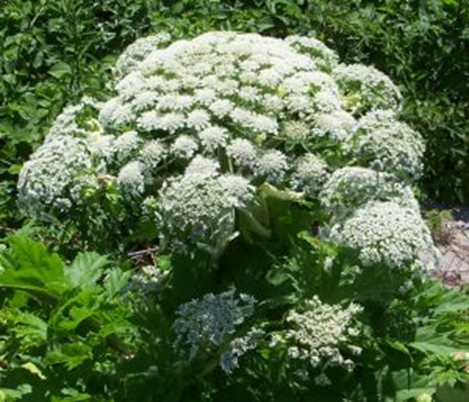
Giant Hogweed (Heracleum mantegazzianum) is an invasive plant that resembles the harmless Elderflower, but don’t be fooled by its appearance. While both have clusters of small white flowers, Giant Hogweed can grow up to 5 metres tall and features thick, reddish-purple stems covered in bristles.
The real danger lies in the plant’s toxic sap, which is present on all parts of the plant—its leaves, stem, roots, flowers, and seeds.
Why is it to Dogs?
The sap of Giant Hogweed is phototoxic. This means that when it comes into contact with skin and is then exposed to sunlight, it can cause severe burns, blistering, and long-term scarring.
Dogs are especially vulnerable. Their noses, faces, and paws are at risk due to the delicate skin in those areas. If a dog sniffs or brushes against the plant, the sap can cause painful injuries. In more serious cases, contact with the eyes can lead to temporary or even permanent blindness.
Where is it Found?
Giant Hogweed is commonly found along:
- Riverbanks
- Woodland edges
- Footpaths and walking trails
These are all popular routes for dog walking, so it’s essential to remain alert—particularly in the warmer months when the plant is most active.
What to Do If You or Your Dog Comes into Contact with Giant Hogweed
If you suspect that your dog has brushed against Giant Hogweed:
- Immediately rinse the affected area with cool water—don’t wait for symptoms to appear.
- Keep out of sunlight, as UV exposure activates the toxic effects.
- Wear gloves when handling the area and wash your hands thoroughly afterwards.
- Seek veterinary or GP attention without delay, especially if burns, blisters, or swelling are present.
Time is critical in reducing the severity of the reaction and preventing long-term harm.
How to Identify Giant Hogweed
Look for these signs:
- Height of up to 5 metres
- White umbrella-like flower clusters (similar to cow parsley)
- Thick, ridged stems with purple blotches and bristles
- Large, jagged leaves resembling those of rhubarb
If you’re unsure, it’s best to steer clear and report sightings to your local council or environmental agency.
For more blog posts click here!
Keep in touch:
Facebook – @naturaldogfoodcompany
Instagram – @naturaldogfoodco
Related articles

Can dogs eat rice? Safe feeding guide
Many dog owners find themselves wondering whether it’s safe to dish up a spoonful of rice for their pets.
February 6 2026
<1 min read

Signs your dog may need a grain-free diet: Expert guide to grain sensitivities
The rise of the grain-free movement has encouraged owners to look more closely at what goes into their dog’s bowl,...
February 5 2026
<1 min read
Dog feeding guide
Feeding the right amount is just as important as feeding the right ingredients.
January 20 2026
<1 min read