
Britain’s weather is famously unpredictable—but when winter rolls in, planning ahead can make all the difference. Whether it’s frosty mornings or snowy strolls, colder conditions can be tough on our dogs. With the right tips and a little preparation, you can keep your canine companion comfortable, safe and healthy even in the cold weather.
Does Your Dog Need a Winter Coat in Cold Weather?
Just like us, dogs feel the chill too—especially certain breeds:
- Short-haired dogs (like Greyhounds or Whippets) struggle to retain body heat.
- Small or short-legged breeds (like Dachshunds) get colder faster due to their size and proximity to the ground.
- Puppies and older dogs are more vulnerable to cold weather.
A well-fitting dog coat or jumper can help retain warmth on chilly walks. Always choose breathable, weather-resistant materials for maximum comfort.
Protecting Paws from Ice, Grit and Salt
Winter streets and pavements are often treated with grit and salt, which can:
- Irritate paw pads
- Get trapped between toes
- Be harmful if licked off
To protect your dog’s paws:
- Rinse with warm water after walks, or use a gentle pet-friendly paw wipe.
- Trim the fur between paw pads to prevent ice build-up.
- Keep nails trimmed short to improve grip on slippery surfaces.
Warm, Draught-Free Bedding Is a Must
After a walk in the cold, your dog deserves a warm, comfortable place to rest. Provide:
- A snug, draught-free bed, raised off cold floors.
- Thermal bedding that reflects body heat.
- An extra blanket for older dogs, puppies, or those with joint issues.
Winter Hazards: Antifreeze, Frozen Ponds and Puddles
Winter brings several hidden dangers:
- Antifreeze (ethylene glycol) is highly toxic to dogs, even in small amounts. Always store it securely and clean up spills immediately.
- Don’t let your dog drink from puddles or standing water, which may be contaminated.
- Avoid walking near frozen lakes or ponds—dogs can fall through thin ice, and rescue attempts can be extremely dangerous.
If your dog does fall in, call emergency services and avoid entering the water yourself.
Cold Weather Walks: Stay Safe and Be Prepared
Frosty walks are a beautiful part of winter—but dogs can get cold quickly. To make your winter outings safe and enjoyable:
- Keep walks shorter in freezing weather, especially for cold-sensitive dogs.
- Wear weather-appropriate clothing and pack essentials like dog waste bags, water, and a towel.
- Let your dog burn off energy earlier in the day to avoid icy conditions and early sunsets.
Bonus tip: For night-time safety, check out our Into the Night blog post for reflective gear and visibility tips.
Share Your Winter Adventures With Us!
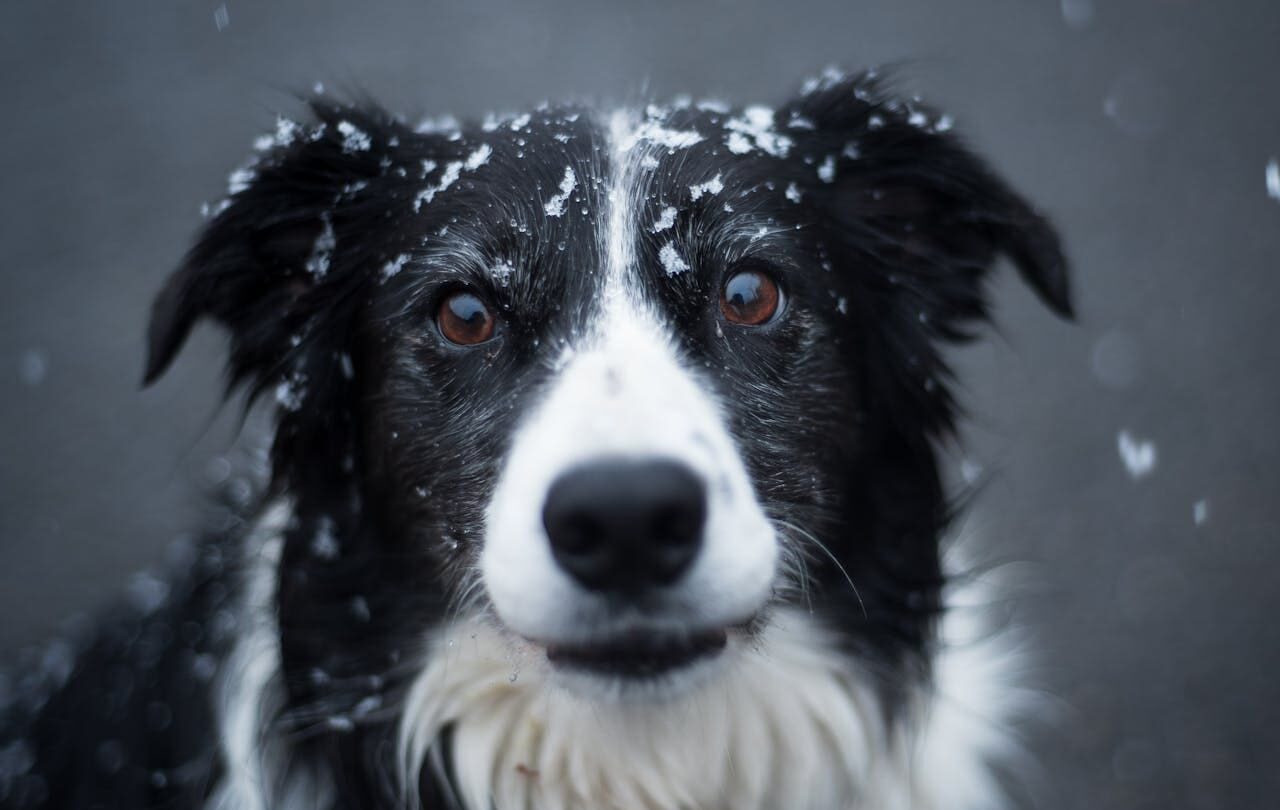
Winter walks offer unforgettable moments. Capture those crisp morning views and snowy snouts, and share your favourite photos with us on social media:
- Instagram: @naturaldogfoodco
- Facebook: Natural Dog Food Company
Let’s make this winter warm, safe and full of tail-wagging memories. 🐕❄️