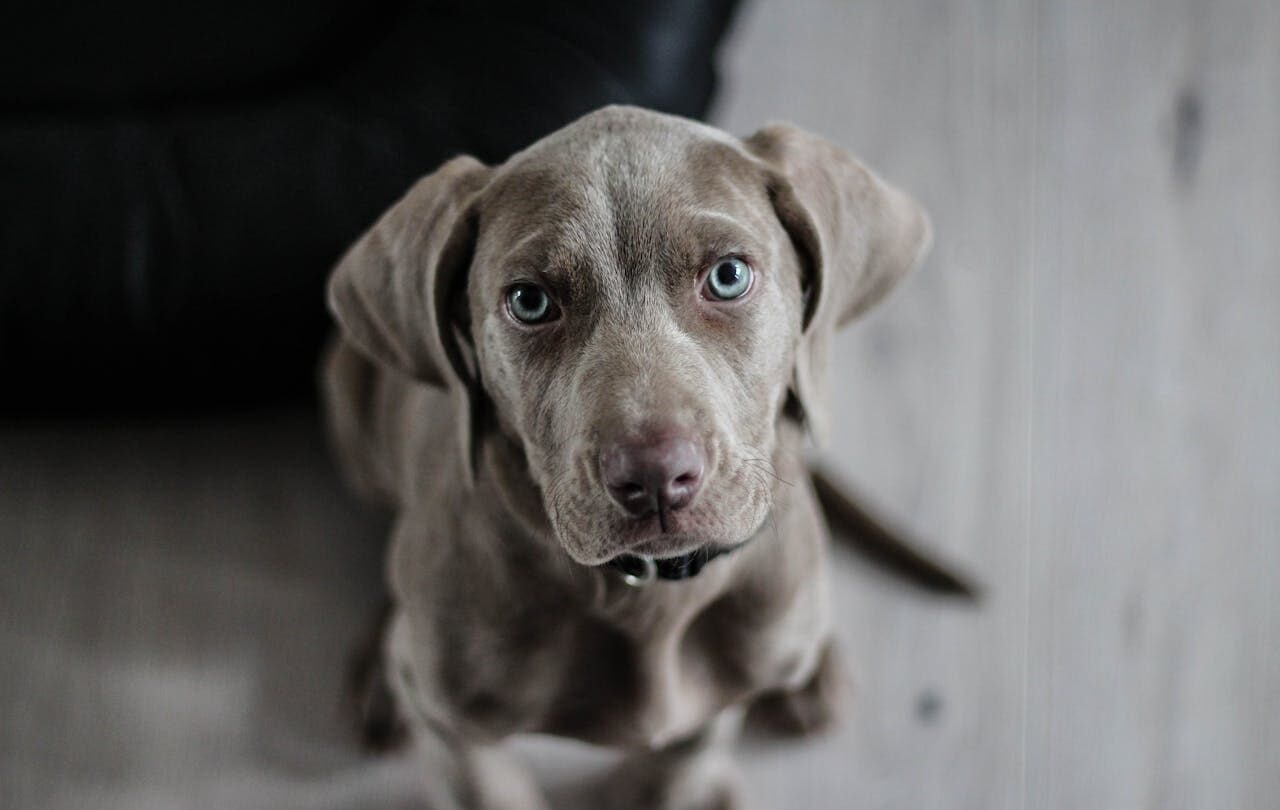

Welcome to puppy life, a wonderful mix of excitement, cuddles, chewed slippers and very little sleep!
At Natural Dog Food Company, we believe good nutrition, steady routines and realistic expectations set the foundations for a happy, healthy dog. We are here by your side every step of the way, offering practical, calm guidance as your puppy settles into life with you.
Below are the key areas to focus on during the 8 – 12 week stage, a short but hugely important window in your puppy’s development.
How can I help my puppy settle in?
At 8 – 12 weeks old your puppy has just experienced a major life change. They have left their mum, littermates and everything familiar. Even the most confident puppies can feel unsettled at first.
Creating a calm environment makes a big difference:
- Provide a quiet, comfortable space where they can retreat and rest
- Keep early days low key, limit visitors and overstimulation
- Establish a simple, predictable daily rhythm for feeding, toileting, play and sleep
It is completely normal if your puppy:
- Follows you everywhere
- Cries when left alone, especially at night
- Seems unsure or overwhelmed by new noises and experiences
Reassurance, routine and patience are far more effective than trying to train independence too early. Confidence comes in time.
Feeding your puppy in the early days
Consistency is key during this stage. Your puppy’s digestive system is still developing and stress from moving home can easily lead to upset tummies.
Try to:
- Keep feeding times the same everyday
- Avoid treats and extras for the first few weeks. Use their kibble to help with training and rewards instead.
- If transitioning over to Natural Dog Food from another brand do this gradually.
When feeding Natural Dog Food Company Puppy, follow the feeding guide on the pack as a starting point. Remember it is exactly that, a guide. Puppies grow quickly and appetite can change from week to week so adjust as necessary while being careful not to overfeed, this will cause tummy upsets.
Our puppy recipe is designed to support gentle digestion, steady growth and natural energy levels without spikes and crashes.
Find out more about Natural Dog Food Puppy range.
Always ensure fresh water is available and don’t worry if their appetite varies slightly day to day, that is normal at this age.
Puppy toilet training: progress not perfection
Toilet training is one of the biggest challenges and one of the most misunderstood.
At this age:
- Puppies have very little bladder control
- Small bladder
- Accidents are inevitable
- Learning happens through repetition, not correction
Take your puppy out:
- First thing in the morning
- After every meal
- After naps
- After playtime
- Before bed
Quietly praise them when they get it right with no punishment for accidents indoors. Calm repetition builds understanding far faster than frustration ever will.
If progress feels slow you are not failing, you are raising a puppy!
Night time and sleep for puppies
Sleep can be one of the hardest parts of puppy ownership.
Young puppies often wake during the night because they:
- Need to toilet
- Feel lonely or unsure
- Miss the comfort of their litter
This stage doesn’t last forever even though it can feel endless at 3am!
Some tips to help you through:
- Keep bedtime routines calm and predictable
- Use a familiar blanket or bedding with familiar scent
- Respond quietly and gently during the night time wake ups
- Avoid turning night time toilet trips into playtime
Top tip : The rhythm of a ticking clock reminds them of a heartbeat which can help sooth them, hang on the wall or leave on a table nearby.
Most puppies gradually begin to sleep for longer stretches, especially once routines are established. The end is in sight!
Puppy play, chewing and teeth
Your puppy will explore the world with their mouth. Chewing is normal, soothing and essential for development especially as baby teeth continue to emerge.
Expect:
- Chewing of hands, clothes and furniture (as well as many other items)
- Short bursts of intense play followed by deep sleep
Redirect chewing onto appropriate toys and remember that overtired puppies often get extra mouthy, sometimes the solution isn’t more play, it is more rest. Keep cables, electricals etc. hidden or up high out of reach.
What is normal for a young puppy?
A healthy puppy at this stage will generally:
- Eat regularly
- Sleep a lot
- Play in short, energetic bursts
- Have moments of complete silliness
These ups and downs are normal. However, contact your vet if your puppy:
- Stops eating altogether
- Becomes unusually lethargic
- Has persistent sickness or diarrhoea
- Seems in pain or discomfort
Diarrhoea in puppies is common but should resolve itself quickly, if you have concerns please contact your vet, you can also find more information on our blog page.
Trust your instincts, you know your puppy best.
For more blog posts, visit our blog page!
Keep in touch: