
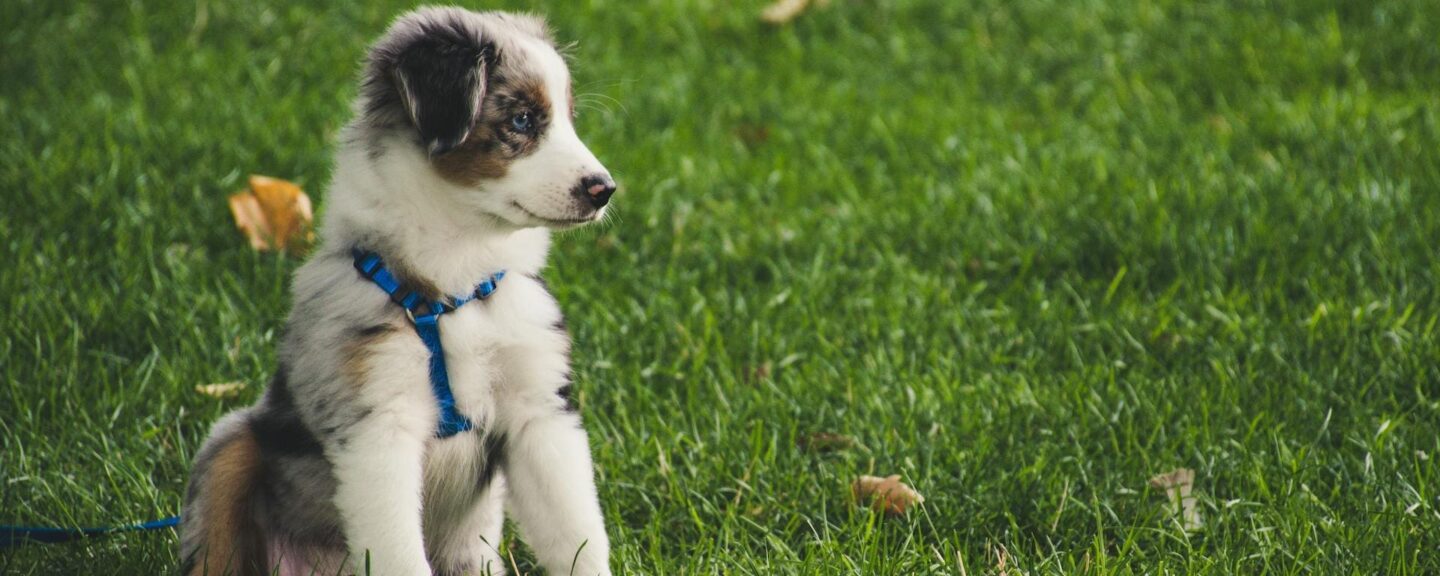
Life with your puppy at 3-4 months
12 February 2026
•
<1 min read
Share article:
By now your puppy should be starting to more confident in their surroundings, more comfortable with you and much more willing to show their personality. Along with that confidence often comes a noticeable increase in curiosity, independence and mischief!
Your puppy should have had all of their vaccinations and can now go out exploring the outside world. Every walk, visitor, sound and smell is teaching them something. The 3 – 4 month stage is a crucial time for gently shaping habits that will last a lifetime. Your puppy is still very much a baby but their brain is developing quickly making this an ideal window for learning, routine and positive guidance.
Creating a simple, predictable daily routine for your puppy
Puppies at this age thrive on predictability. A consistent routine helps them feel secure, reduces anxiety and makes everyday life far smoother for everyone involved:
- Try to keep meal times consistent
- Walks and toilet breaks at similar times each day
- Regular play sessions followed by rest
- Calm wind-down time in the evening
A settled routine doesn’t need to be rigid but having a general structure helps your puppy understand what is coming next. It also makes it easier to notice if something isn’t quite right, such as changes in appetite, energy or behaviour.
Good routines support digestion, sleep patterns and learning, all of which are closely linked at this stage of development.
Puppy training: Small wins really do matter
At 3-4 months old your puppy is capable of learning a great deal but attention spans are still short. This is the perfect time to work on simple foundations such as:
- Responding to their name
- Recall (coming back when called)
- Sitting calmly
- Walking nicely on the lead
Keep training sessions short, positive and frequent. Five minutes done well, several times a day is far more effective than long sessions that leave both of you frustrated.
- Training should feel rewarding and confidence building, not demanding. Progress may come in small steps but those small wins quickly add up.
- Using food wisely in training
- Food is a powerful motivator for puppies especially during this stage when they are eager to learn and please.
Rather than adding lots of extra treats you can:
- Use part of your puppy’s daily food allowance for training
- Hand-feed meals during short training sessions
- Reward calm, desirable behaviour throughout the day
This approach helps keep their diet balanced while reinforcing good habits naturally.
Natural Dog Food Original Puppy food is ideally suited to this type of training-based feeding. Our recipes are designed to be highly palatable, gently digested and nutritionally complete supporting both physical growth and mental focus.
Explore our hypoallergenic puppy food here.
Preventing bad puppy habits before they stick
Many behaviours that worry owners at this age are completely normal puppy behaviour:
- Jumping up
- Nipping and mouthing
- Chewing furniture or shoes
The key at 3-4 months is guidance, not correction. These habits are far easier to shape now than to undo later.
Puppy training tip:
- Redirect chewing onto appropriate toys
- Reward calm greetings rather than jumping
- Withdraw attention from unwanted behaviour
- Consistently praise what you want to see more of
Puppies repeat behaviours that work for them. Calm consistency is far more effective than telling them off.
Is a puppy class worth it?
For many puppies a well-run class can be extremely beneficial during this stage.
A good puppy class will offer:
- Controlled, positive socialisation
- Basic training
- Exposure to new environments
- Reassurance that your experiences are normal
Look for classes that are:
- Calm and reward based
- Not overcrowded
- Focused on positive experiences rather than dominance
Your puppy should come away feeling confident, not overwhelmed.
Nutrition to support puppy growth and learning
As your puppy grows their nutritional needs grow with them. Between 3 and 4 months puppies are developing rapidly both physically and mentally and the food they eat plays a key role in supporting that development.
Keep their diet:
- Consistent
- High quality
- Appropriate for their size and age
Supports healthy growth, steady energy levels and better focus during training.
If you are unsure about portions or feeding frequency our team are always happy to help, we also have more helpful puppy advice on our blog page!
Learn more about our approach to puppy nutrition here.
Keep in touch:
Facebook – naturaldogfoodcompany
Instagram – naturaldogfoodco
X – @Natural_DogFood
Related articles
Mother’s Day | Celebrating Mother’s Day with your dog!
Mother’s Day is a special day to honour the women in our lives, mums, in-laws, Grandmothers, mother figures, best friends....
March 4 2026
<1 min read

Puppy Life | Helping your puppy settle in
Welcome to puppy life, a wonderful mix of excitement, cuddles, chewed slippers and very little sleep!
February 12 2026
<1 min read

Guide to feeding senior dogs
Discover when to switch to senior dog food, portion sizes, and nutritional needs for older dogs. Expert feeding advice from...
January 16 2026
<1 min read