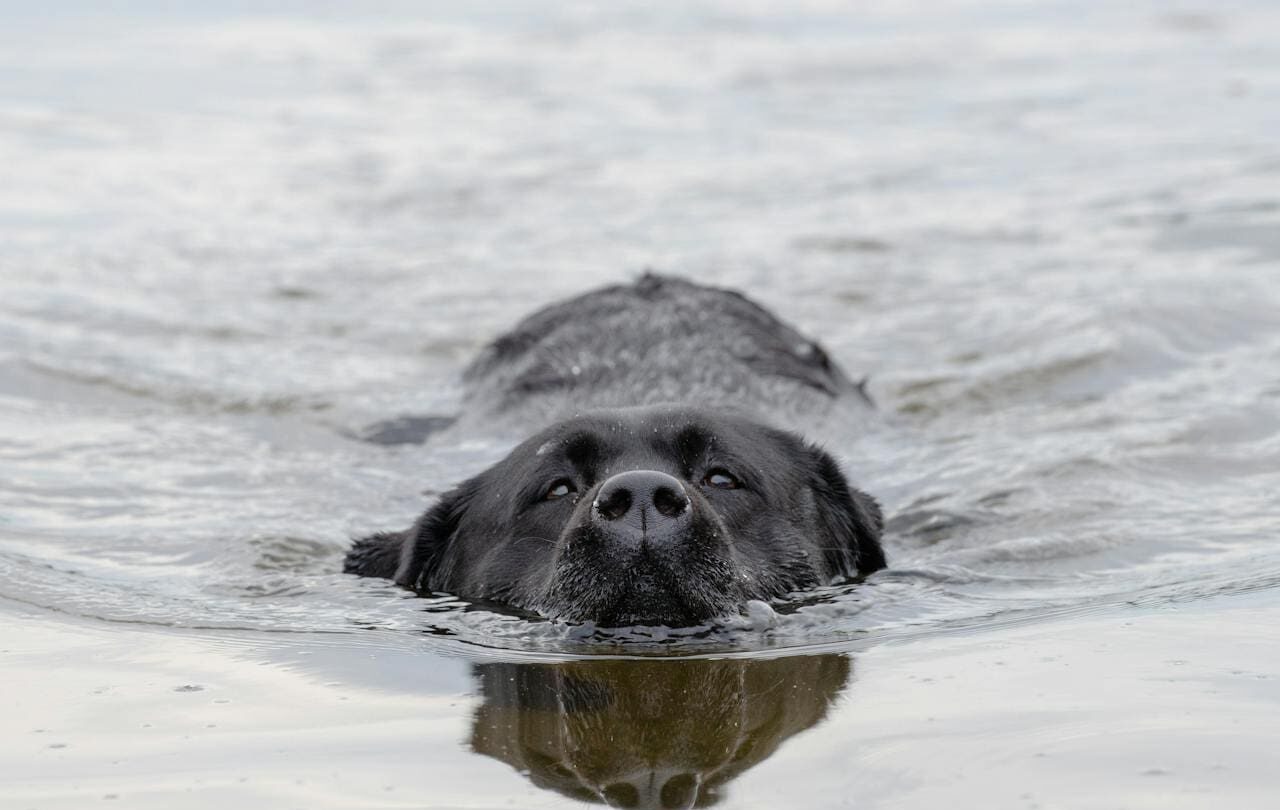

Drowning Prevention Week in the UK isn’t just for people, our pets need protection too. Whether you’re heading to the beach, enjoying a paddleboarding session, or letting your dog cool off in a stream, water safety is just as important for our four-legged friends.
While many dogs love the water, not all are strong swimmers, and accidents can happen quickly. Here’s how to keep your dog safe, reduce drowning risks, and enjoy water-based adventures with peace of mind.
Can Dogs Drown?
Unfortunately, yes. Dogs can drown, even those that love swimming. Fatigue, panic, rough waters, or getting caught in reeds or undercurrents can all pose serious risks.
That’s why Drowning Prevention Week is a great time to review the essentials of dog water safety.
Top Tips to Prevent Your Dog from Drowning
1. Know Your Dog’s Swimming Ability
Not every dog is a natural swimmer. Breeds with short legs or heavy bodies (like bulldogs or dachshunds) may struggle. Older dogs, puppies, and those with health issues may also tire quickly.
Start in shallow, calm water and let your dog build confidence. Never throw them in or force them to swim.
2. Use a Canine Life Jacket
Whether you’re boating, paddleboarding, or at the beach, a dog life jacket is a must. Look for one with:
- Buoyant padding
- Sturdy grab handle
- Adjustable straps
- Bright colour for visibility
Even strong swimmers benefit from life jackets—they can prevent exhaustion-related accidents.
3. Supervise at All Times
Never leave your dog unsupervised near water. Keep a close eye, especially in fast-moving rivers, the sea, or areas with steep drop-offs.
4. Teach Your Dog How to Exit the Water
Dogs can panic if they don’t know how to get out. When swimming in pools or on docks, show your dog the exit route and practice using it.
What Equipment Do You Need for Water Adventures with Your Dog?
Whether you’re paddleboarding, canoeing, or hitting the beach, here’s your water safety checklist:
Water Adventure Checklist for Dogs:
- Dog Life Jacket
- Floating Water Toys (to avoid diving risks)
- Non-slip Dog Boots (for rocky or hot surfaces)
- Tether/Long Line (for beach or canoe use—keeps them close while allowing movement)
- Pet-Friendly Sunscreen (for light-coloured dogs with sensitive skin)
- Fresh Water & Bowl (discourage drinking from puddles or lakes)
- Towel & Dog Dry Robe (to prevent chills post-swim)
The Dangers of Stagnant Water & Dirty Puddles
Risks of Stagnant Water:
- Leptospirosis – A bacterial infection that can be fatal. Spread through rat urine in puddles or slow-moving water.
- Blue-Green Algae – Toxic algae often found in lakes and ponds. Ingestion can be deadly.
- Parasites & Bacteria – Giardia and other bugs can lurk in untreated water.
Signs Your Dog May Be Ill After Swimming:
- Vomiting or diarrhoea
- Lethargy
- Drooling or shaking
- Trouble breathing
- Seizures (in cases of algae poisoning)
If you suspect your dog has ingested contaminated water or shows symptoms after a swim, contact your vet immediately.
Staying Safe While Swimming with Your Dog
While your dog’s safety is top of mind, don’t forget to look after yourself too:
- Wear your own life jacket if paddleboarding or boating
- Avoid strong currents or deep water where you might struggle to help your dog
- Keep your phone in a waterproof pouch in case of emergencies
- Don’t overestimate your dog’s stamina—take breaks and watch for signs of fatigue
Final Thoughts: Enjoy the Water, Stay Safe
Water play can be one of the best parts of summer—for you and your dog! With the right precautions, Drowning Prevention Week is a great reminder to stay informed, prepared, and alert around water.
So whether you’re hitting the beach, gliding along on a paddleboard, or exploring the lakeside, make safety part of the plan. A little preparation goes a long way in keeping those tail-wagging adventures happy and safe!
Have you and your dog been on a water adventure lately? Share your pics and tips!
Facebook: @naturaldogfoodcompany
Instagram: @naturaldogfoodco
For more helpful articles, click here!