
Why hydration matters more than you might realise: the science behind water, organs and digestion
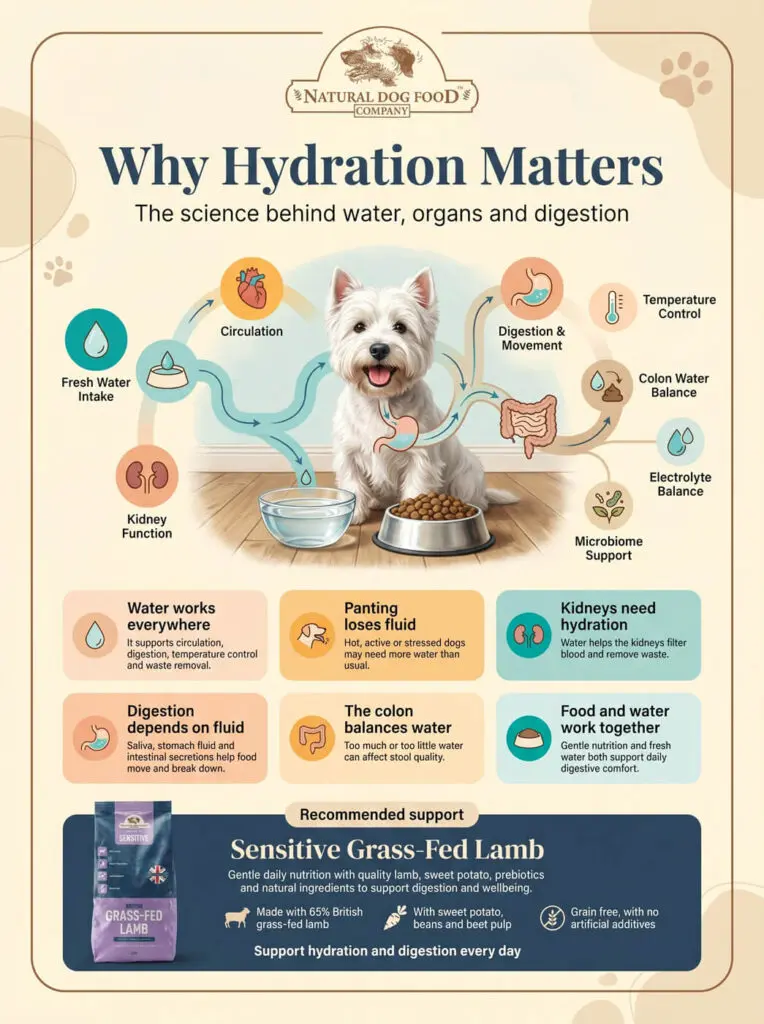
Water is easy to overlook because it seems so ordinary. Owners fill the bowl, dogs drink, and life carries on. But inside the body, water supports almost every process that keeps a dog alive and well. It supports circulation, digestion, temperature control, kidney function, nutrient transport, waste removal and the normal movement of food through the gut.
A dog’s body is not just using water when they are visibly thirsty. Water is constantly moving between blood, cells, tissues, the digestive tract and the kidneys. It helps maintain blood volume, carries nutrients to tissues, allows chemical reactions to happen, supports normal cell shape and helps remove waste through urine and faeces.
Hydration is really about balance. The body takes water in through drinking and food, and loses water through urine, faeces, breathing and panting. In healthy dogs, those losses are replaced throughout the day. A resting dog’s daily water requirement is often estimated at roughly 40–60 ml per kg of body weight, although needs vary depending on diet, temperature, activity level and health.
Why do dogs pant and what are the symptoms of dehydration in dogs?
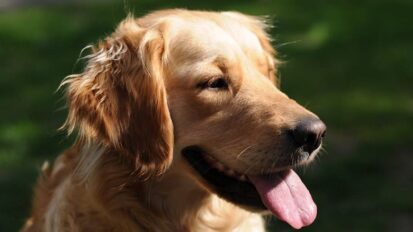
Panting is one of the main ways dogs regulate temperature. Unlike humans, dogs do not sweat heavily through their skin. When a dog pants, moisture evaporates from the mouth, tongue and respiratory tract, helping cool the body. This is useful, but it also increases water loss. A dog who is hot, active, stressed or exercising in warm weather may therefore need more water than usual.
Dehydration happens when the body loses more fluid than it takes in. This may happen because the dog is not drinking enough, but it can also happen because they are losing too much fluid. Vomiting, diarrhoea, fever, heat exposure, excessive panting, kidney disease, diabetes and some medications can all increase the risk.
The first effects of dehydration are often subtle. A dog may seem quieter, pant more, have sticky gums, reduced skin elasticity or darker urine. As dehydration becomes more serious, blood volume can fall. This matters because blood carries oxygen, nutrients, hormones and immune cells around the body. If circulation becomes compromised, organs receive less of what they need.
Kidneys
The kidneys are especially sensitive to hydration. Their job is to filter the blood, remove waste products and regulate water and electrolytes. When a dog is well hydrated, the kidneys can produce urine and clear waste effectively however when fluid is limited, the body tries to conserve water by producing more concentrated urine. This is useful in the short term, but ongoing dehydration places extra strain on the system.
Electrolytes
Electrolytes are part of the same story. Sodium, potassium, chloride and other minerals help control fluid balance, nerve signalling, muscle contraction and acid-base balance. When a dog loses fluid through vomiting or diarrhoea, they may also lose electrolytes. This is one reason repeated digestive upset can become more serious than it first appears.
Digestion
Hydration also affects digestion directly. Food does not move through the digestive system as dry material. It is mixed with saliva, stomach fluid, bile, pancreatic secretions and intestinal fluids. These fluids help soften food, carry enzymes, dissolve nutrients and allow the gut to move material along in a controlled way.
Stomach and intestines
In the stomach, water helps form the semi-liquid mixture known as chyme. The small intestine, fluid allows digestive enzymes to work properly and helps nutrients come into contact with the intestinal lining. In the large intestine, water balance becomes even more visible, because the colon helps absorb water and shape the final stool.
If too much water remains in the bowel, stools may become loose. Stools may become dry, hard or difficult to pass if too much water is removed. This is why hydration, fibre and gut movement are all connected. The colon is constantly adjusting water content to help produce a stool that can pass comfortably.
Fibre
Fibre depends on water too. Some fibres hold water and help support stool consistency. Others add bulk or are fermented by gut bacteria. Fibre without enough water may not behave as expected, and in some cases can contribute to firmer stools. Good digestion is therefore not just about what a dog eats, but also whether the body has enough fluid to process it properly.
Microbiome
The gut microbiome is also influenced by hydration and diet. The microbiome is the community of microorganisms living in the digestive tract. These microbes interact with fibre, produce beneficial compounds and help support the gut environment. A stable routine of food and water gives the digestive system a more predictable environment to work with.
How does diet affect hydration in dogs?
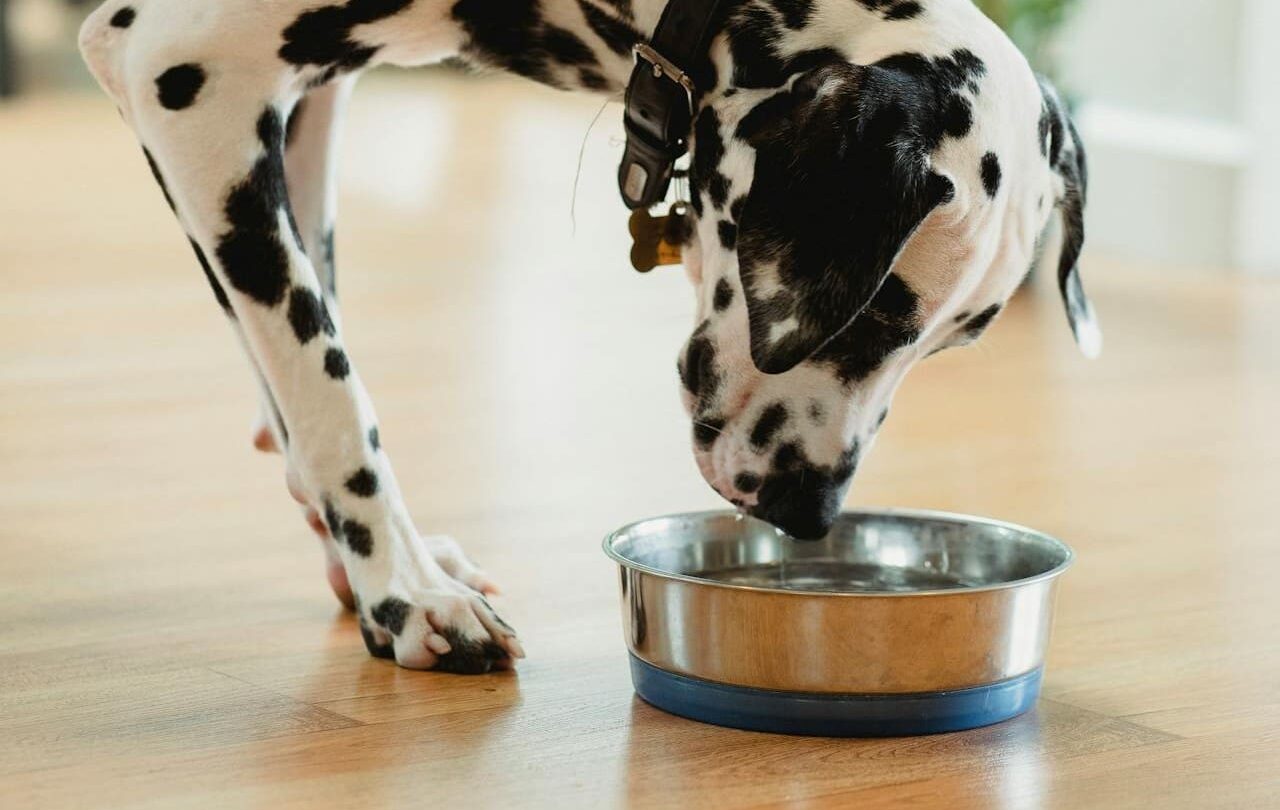
Owners sometimes focus heavily on food and forget that water is part of feeding. A complete diet provides nutrients, but water helps dogs digest, transport and use those nutrients. Dogs eating dry food should always have fresh drinking water available. Some dogs drink readily. Others may need encouragement through clean bowls, multiple water stations, water offered after exercise, or soaking food where appropriate.
Diet still matters because it influences how the digestive system handles water. Ingredients such as sweet potato, beans, beet pulp and prebiotics can help support digestive rhythm, stool quality and microbial balance. Protein quality matters too, because a well-nourished gut lining is better able to maintain normal digestive function.
This is where Natural Dog Food Company Sensitive Grass-Fed Lamb fits naturally. It is made with 65% British grass-fed lamb, including 35% freshly prepared lamb, alongside sweet potato, beans, beet pulp, omega-3 support, prebiotics MOS and FOS, and a blend of mint, pomegranate, mulberry, broccoli and fennel. It is grain free and made without artificial additives, wheat, dairy, soya or fillers. For dogs who benefit from gentle, nourishing daily food, it provides a balanced recipe designed to support digestion, skin, coat and overall wellbeing.
Food is not a substitute for water. A dog still needs constant access to fresh, clean drinking water, whatever they are fed. But the right diet can support the digestive system that water works through every day. Together, steady nutrition and good hydration help maintain stool quality, nutrient use, energy, organ function and daily comfort.
When to contact the vet
Owners should always seek veterinary advice if a dog is not drinking, drinking excessively, vomiting repeatedly, passing diarrhoea, collapsing, showing signs of heatstroke, producing very little urine, appearing weak, or developing sticky gums, sunken eyes or marked lethargy. Dehydration can become serious quickly, especially in puppies, senior dogs and dogs with existing health conditions.
Hydration is not just about thirst. It is about circulation, digestion, kidney function, temperature control and the quiet chemistry that keeps the body working. When owners understand water as part of whole-body health, not just something that sits beside the food bowl, they can support their dog more thoughtfully every day.
For more blog posts, visit our blog page!
Keep in touch: