
Meet this week’s breed
Breed name: Yorkshire Terrier (Yorkie)
Category: Toy
Origin: England
Life expectancy: 12–15 Years
Average size & weight: Small 2–3.5kg
Breed overview
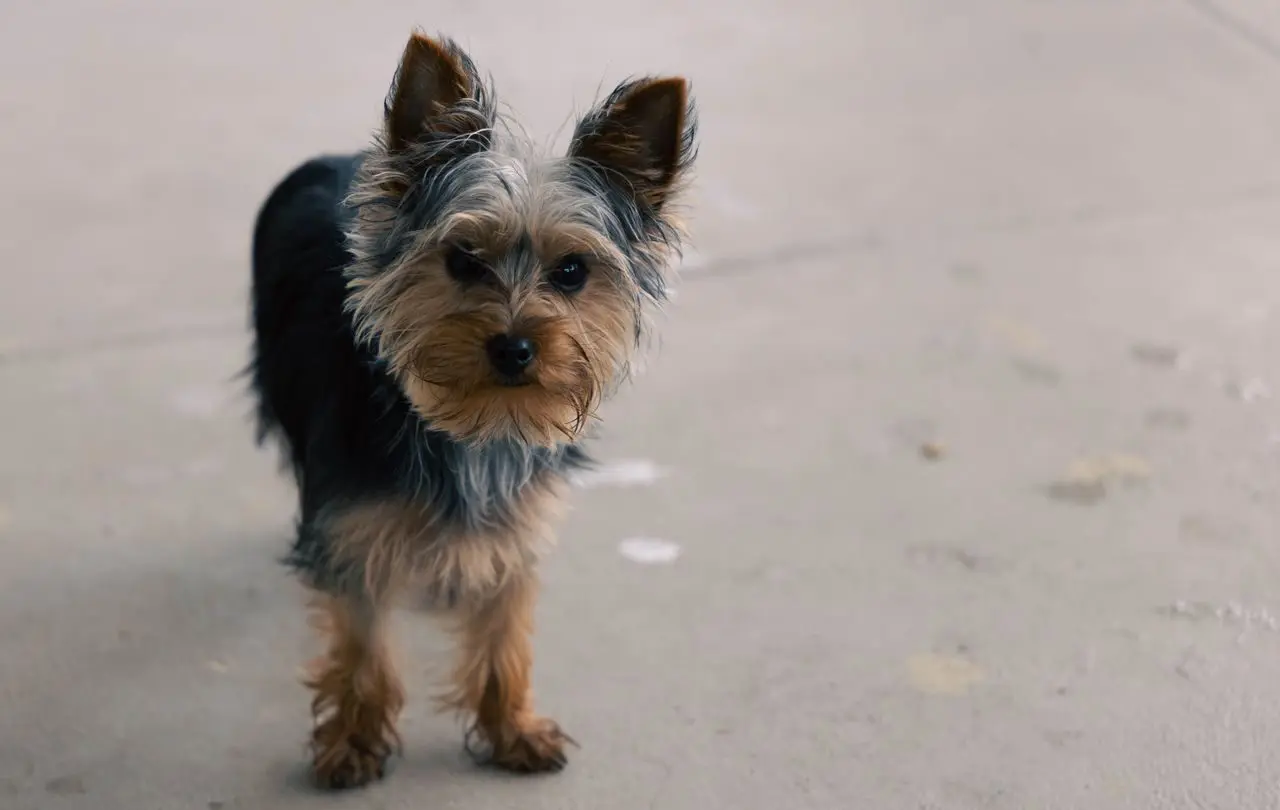
Yorkshire Terriers, affectionately known as Yorkies, are one of the UK’s most popular toy dog breeds. Originally bred in Yorkshire during the 19th century they were used to catch rats in textile mills and mines before becoming beloved companion dogs. Despite their small size they are bold, confident and full of character.
Yorkies are easily recognised by their long, silky coat which is traditionally steel blue and rich tan. Many owners choose to keep their coat trimmed into a practical puppy cut, although their flowing coat is often seen in the show ring.
Personality & temperament
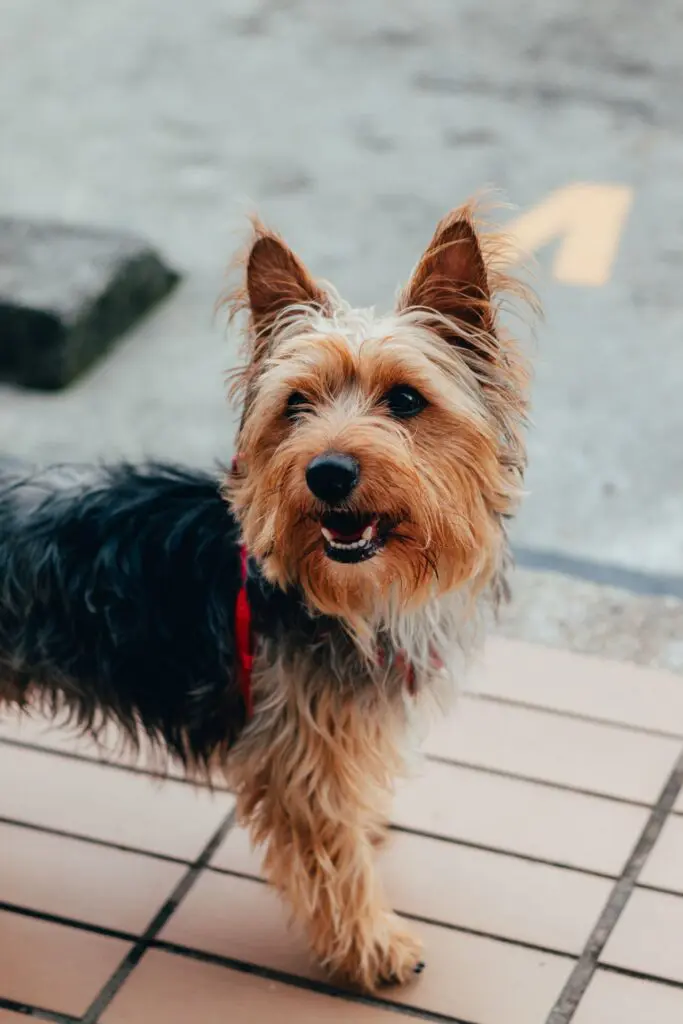
Yorkshire Terriers are intelligent, affectionate and spirited little dogs with personalities far bigger than their size. They form strong bonds with their families and enjoy being involved in everyday life.
Although loving and loyal they can also be brave and sometimes stubborn. They are naturally alert making excellent little watchdogs and they often enjoy meeting new people and other dogs when properly socialised from a young age.
Is this breed right for you?
Yorkshire Terriers are well suited to a variety of homes including flats and smaller houses provided they receive daily exercise and plenty of companionship.
Although they don’t require hours of physical activity they are intelligent dogs that enjoy games, training and mental stimulation. Around 30–60 minutes of exercise each day along with opportunities to play and explore will help keep them happy and healthy. They are happiest when included as part of the family and do not enjoy being left alone for long periods.
Grooming & Care
Coat type – Long, silky single coat
Shedding – Very low shedding
Grooming frequency – Daily brushing for long coats or regular brushing for clipped coats
Bathing – Every 3–6 weeks or when necessary
Nail, ear, and dental care – Weekly check, trim and tooth brushing recommended
Health Considerations
Patellar luxation
Tracheal collapse
Dental disease
Legg-Calvé-Perthes disease
These health conditions can occur within the breed. If considering a purebred Yorkshire Terrier, ask the breeder about any health testing carried out on the parents and ensure puppies have been responsibly bred.
Training tips
Yorkshire Terriers are bright and eager to learn, responding well to positive reinforcement training. They enjoy learning tricks, obedience and interactive games that keep their minds active.
Early socialisation is recommended to help them grow into confident adults. Consistent training can also help reduce excessive barking and prevent small dog syndrome, where they become overly protective or independent.
Fun facts
🐾 Fact 1 – Yorkshire Terriers were originally bred to catch rats in mills and mines before becoming companion dogs.
🐾 Fact 2 – Despite weighing only a few kilograms, Yorkies are known for their fearless and confident personalities.
🐾 Fact 3 – Their beautiful silky coat has hair rather than fur, making them a popular choice for people looking for a low-shedding breed.
Frequently asked questions
Are they good family dogs?
Yes they make affectionate companions and can be excellent family dogs when children are taught to handle them gently.
How much exercise do they need?
Around 30–60 minutes of exercise each day, along with play and mental stimulation.
Do they shed?
Very little. Their hair grows continuously and requires regular grooming.
Are they easy to train?
Yes. Yorkshire Terriers are intelligent and enjoy learning although consistency is important.
What health issues should owners be aware of?
Patellar luxation, tracheal collapse, dental disease and Legg-Calvé-Perthes disease.
The Yorkshire Terrier is a confident, affectionate and intelligent breed with a big personality packed into a small frame. With regular grooming, positive training and plenty of companionship they make devoted family pets and loyal little companions.
For information about the breed standard and health advice visit the Royal Kennel Club here.
For more blog posts, visit our blog page!
Keep in touch: