
Breed name: Hungarian Vizsla
Category: Gundog
Origin: Hungary
Life expectancy: 12 – 14 Years
Average size & weight: Medium to Large, approximately 20 – 30Kg
Breed overview
The Hungarian Vizsla is an elegant, athletic and affectionate dog breed that originated in Hungary. Traditionally bred as a versatile hunting companion Vizslas were used to locate, point and retrieve game across a variety of terrains. Their excellent sense of smell, speed, stamina and willingness to work closely with people made them highly valued by hunters.
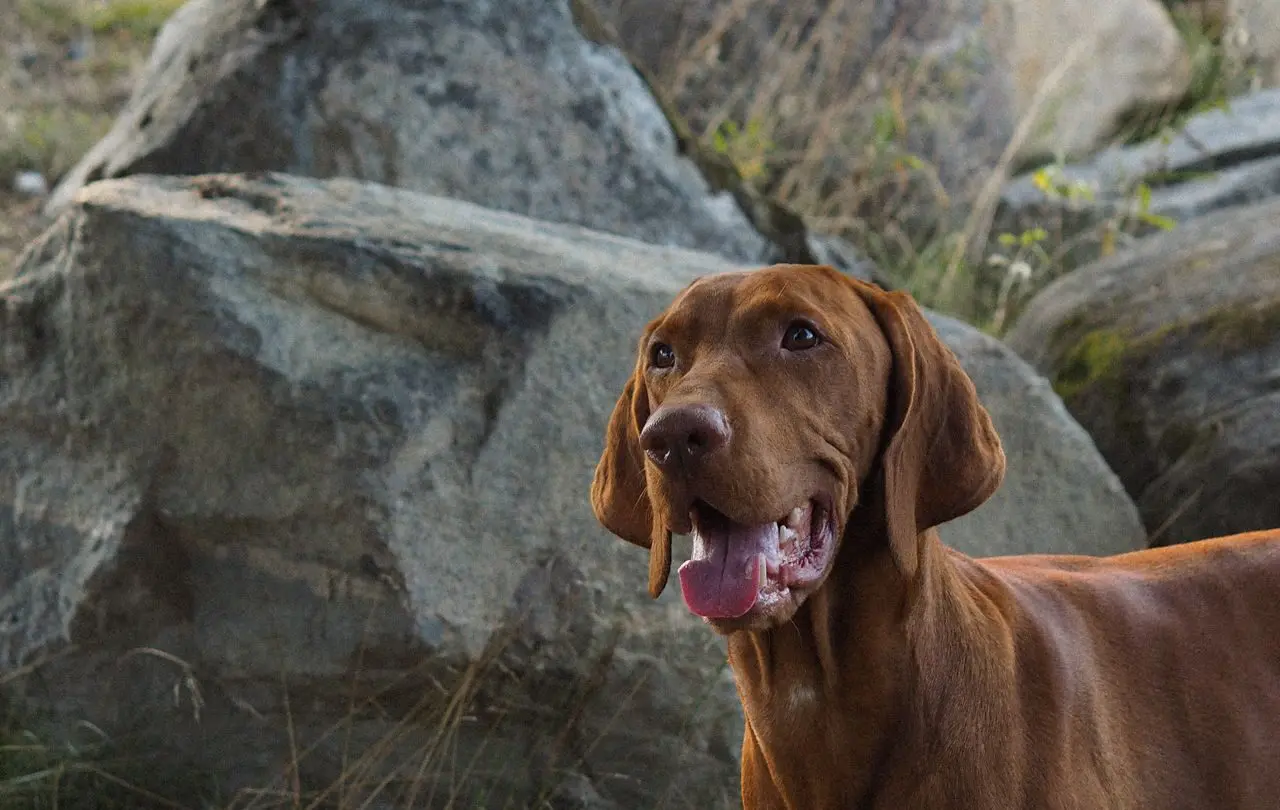
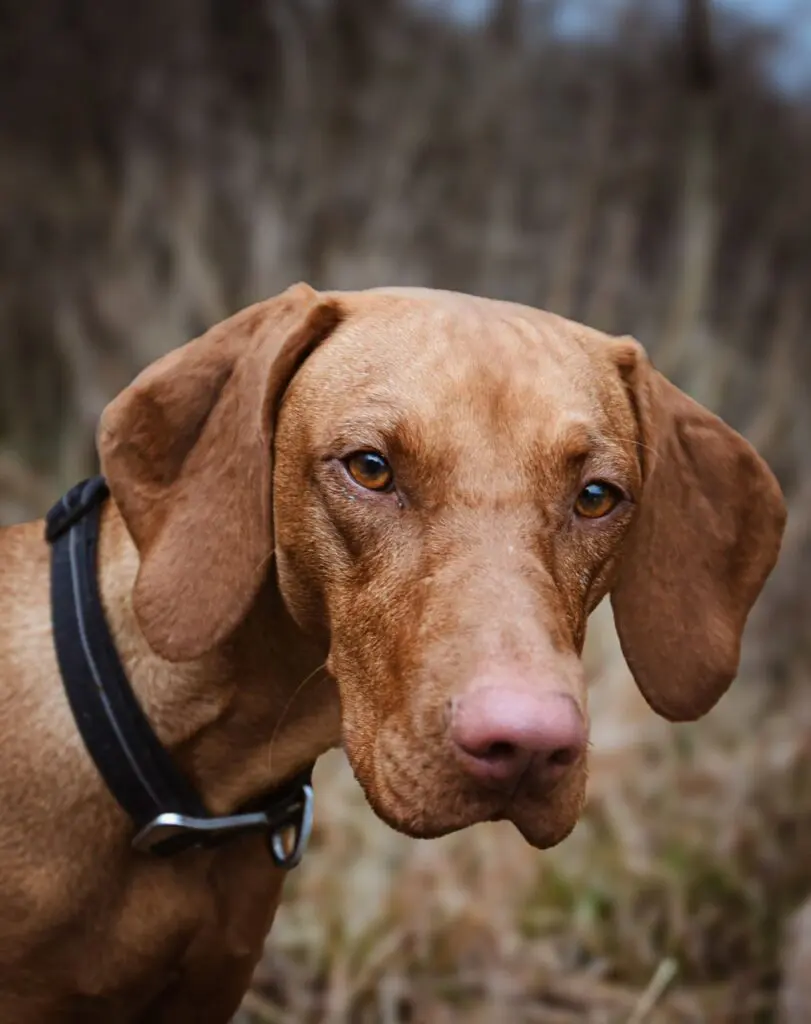
Hungarian Vizslas are known for their distinctive appearance with a lean, muscular body, long legs, expressive eyes and a short, smooth coat in a beautiful golden rust colour. Their athletic build allows them to move with speed and agility while their gentle expression reflects their affectionate and people-oriented nature.
Sometimes affectionately known as Velcro dogs because of their tendency to stay close to their owners. Vizslas form strong bonds with their families and often enjoy being involved in almost every aspect of daily life. They are intelligent, sensitive dogs that thrive on companionship and can struggle if left alone for extended periods.
Today Hungarian Vizslas enjoy a variety of activities including gundog training, scent work, agility, tracking, canicross training and obedience. They also love running, exploring the outdoors and participating in activities that challenge both their bodies and minds. With the right balance of exercise, training and affection they can make wonderful companions for active households.
Personality & temperament
Hungarian Vizslas are typically affectionate, intelligent, energetic and eager to please dogs that develop exceptionally strong bonds witht heir families. They often enjoy physical affection and close companionship, frequently following their owners from room to room and wanting to be involved in everyday activities.
Their friendly and sociable nature can make them excellent companions although they may be excitable when greeting people or meeting other dogs. Early socialisation helps them learn to interact calmly and confidently with different people, animals and environments. As with any breed individual temperaments vary depending on genetics, upbringing and experience.
Their history as hunting dogs means that many Vizslas have a strong prey drive and a natural instinct to follow scents, point and chase moving animals. Careful introductions are important when living with cats or other small pets and their instincts should be taken into account when exercising them in areas where wildlife may be present.
Although highly intelligent and keen to work with people Hungarian Vizslas can be sensitive and may not respond well to harsh handling or punishment. They generally thrive with patient, consistent training that uses rewards, encouragement and clear communication.
These dogs benefit from substantial daily exercise, mental stimulation and regular companionship. Without suitable outlets for their energy Vizslas may become bored, restless or develop unwanted behaviours such as chewing, jumping up or excessive attention seeking. Their need for human interaction also means that gradually teaching them to spend time alone is an important part of their upbringing.
Is this breed right for you?
Hungarian Vizslas can suit active individuals, couples and families looking for an affectionate companion that enjoys spending time outdoors. Although they are not among the largest gundog breeds they are athletic, energetic dogs that need plenty of opportunities to run, explore and engage their minds.
Around 1.5 – 2 hours of exercise each day may be appropriate for many healthy adult Hungarian Vizslas divided between walks, running, play and enrichment activities. Some individuals may need more or less depending on their age, health and temperament. Exercise should include opportunities for sniffing, exploring and training rather than relying entirely on repetitive walks.
Their athletic build makes them well suited to active lifestyles, including hiking, jogging and outdoor adventures. However puppies need age appropriate activity while their bones and joints are developing and owners should avoid excessive forced running or repetitive high impact exercise until their dogs are physically mature.
Hungarian Vizslas can adapt to different living environments including homes without large gardens provided their exercise, companionship and stimulation needs are consistently met. A securely enclosed garden can be useful for play and training but it is not a substitute for walks and structured activities. Their speed, curiosity and hunting instincts make secure boundaries particularly important.
They are generally devoted to their families and often prefer to be wherever their people are. Prospective owners should be prepared for a dog that is loving, energetic and highly involved in family life. Vizslas may not be the best choice for households where everyone is away for long periods unless suitable arrangements can be made for companionship and gradual alone time training.
Positive training, early socialisation, appropriate exercise and a commitment to meeting their emotional needs are important parts of responsible ownership.
Grooming & Care
Coat type – Short, smooth, dense coat with little undercoat
Shedding – Moderate shedding with loose hairs often noticeable on furniture and clothing despite the short coat
Grooming frequency – Brush once or twice a week using a soft bristle brush or grooming mitt to remove loose hair and maintain coat condition
Bathing – As needed depending on the dog’s lifestyle and coat condition
Nail, ear and dental care – Regular nail trimming, ear checks and tooth brushing are important for maintaining good overall health.
Hungarian Vizslas have a short, low maintenance coat that is relatively easy to care for. Regular brushing helps remove loose hair and distribute natural skin oils, keeping the coat clean and healthy. Although their coat is short they are not non-shedding dogs and seasonal or individual variations in shedding can occur.
Their short coat offers limited protection against cold and wet weather compared with that of many double-coated breeds. Vizslas may benefit from a well-fitting dog coat in cold or wet conditions, particularly during winter walks or when spending extended periods outdoors.
Their naturally floppy ears should be checked regularly for redness, odour, discharge or irritation. Gently clean them when necessary using a suitable dog ear cleaning product recommended by a veterinary professional.
As with all dogs grooming is also an opportunity to check for skin irritation, lumps, parasites or other changes that may need veterinary attention. Regular dental care and nail maintenance should be included in their routine from an early age.
Health considerations
- Hip dysplasia
- Elbow dysplasia
- Epilepsy
- Eye conditions, including certain inherited disorders
- Hypothyroidism
- Certain cancers, including lymphoma and hemangiosarcoma
- Gastric dilatation-volvulus (GDV or bloat)
Hungarian Vizslas are generally athletic dogs but like all breeds they can be susceptible to certain inherited and general health conditions. Hip and elbow dysplasia are important considerations because these conditions can affect joint development, comfort and mobility. Responsible breeders should carry out appropriate health screening and be able to discuss the results with prospective owners.
Some Vizslas develop epilepsy, which can cause recurring seizures. Eye disorders and hypothyroidism may also occur. As with any dog the likelihood of developing a particular condition varies between individuals and not every Vizsla will experience these health problems.
Gastric dilatation-volvulus commonly known as bloat is a potentially life threatening condition in which the stomach expands and may twist. Owners should familiarise themselves with the warning signs of bloat. These include a swollen abdomen, repeated unproductive retching, restlessness and excessive drooling. Suspected bloat requires immediate emergency veterinary attention.
Their active lifestyle also makes it important to maintain a healthy weight and provide appropriate exercise, rest and nutrition. Excess weight can place additional strain on their joints while excessive exercise without sufficient recovery can contribute to injury.
If considering a purebred Hungarian Vizsla ask the breeder about health screening carried out on both parents including relevant hip, elbow and eye assessments and any other tests recommended by the relevant breed health scheme. Ask to see the appropriate documentation rather than relying on verbal assurances alone.
Regular veterinary checks, routine dental care, a balanced diet and appropriate weight management can all contribute to a dog’s long-term wellbeing. Any changes in movement, vision, appetite, energy levels or behaviour should be discussed with a veterinary professional.
Training tips
Hungarian Vizslas are intelligent, eager to please dogs that often enjoy learning new behaviours. Their close bond with people can make them highly responsive to training, particularly when their owners use positive, rewarding methods.
Positive reinforcement using treats, praise and play can be particularly effective. Keep training sessions short, varied and rewarding to maintain their attention. Owners should avoid harsh corrections because Vizslas can be sensitive and may become anxious or lose confidence when people handle them too firmly.
Early socialisation is important. Introduce puppies gradually and positively to different people, dogs, environments and everyday experiences. This can help them develop confidence and learn appropriate ways to respond to unfamiliar situations.
Reliable recall is especially valuable because many Hungarian Vizslas have a strong instinct to follow scents and chase wildlife. Practise recall in secure areas and use a long line where appropriate until you are confident in your dog’s response. Even well-trained Vizslas may follow an exciting scent or chase a moving animal, so owners should keep them in secure outdoor spaces.
Provide opportunities for mental stimulation through scent games, retrieving exercises, puzzle toys, trick training and supervised exploration. Activities that allow them to use their natural hunting and retrieving instincts can be particularly rewarding.
Consistent boundaries, patience and regular practice can help these sensitive, energetic dogs become confident and well-mannered companions. It is also important to teach them how to relax and spend short periods alone from an early age, gradually building their independence.
Fun facts
Fact 1 – The Hungarian Vizsla has a long history as a hunting dog in Hungary where it was valued for its ability to locate, point towards and retrieve game.
Fact 2 – Hungarian Vizslas are often nicknamed “Velcro dogs”. This is because they love staying close to their owners and being involved in family life.
Fact 3 – Their distinctive golden rust coat is one of the breed’s best-known features. Their athletic build makes them particularly well suited to active pursuits such as retrieving, tracking and agility.
Frequently asked questions about the Hungarian Vizsla
Are they good family dogs?
Yes. Hungarian Vizslas can make affectionate and loyal family companions when they are well socialised, appropriately trained and given suitable care. They often enjoy spending time with their families and can have a gentle, playful personality.
Their high energy levels and need for companionship mean they thrive in households where owners provide plenty of exercise, attention and interaction. Their hunting instincts mean some individuals may not be suitable for homes with small pets. Introductions to other animals should be handled carefully. As with any breed interactions between dogs and young children should always be supervised. Children should be taught how to behave respectfully around dogs.
How much exercise do they need?
Around 1.5 to 2 hours of exercise each day may be suitable for many healthy adult Hungarian Vizslas, although individual requirements vary. Walks, retrieving games, scent work and training activities can help keep them physically fit and mentally stimulated.
Puppies need age-appropriate exercise and should not be pushed into excessive or high-impact activity while they are growing. Owners should also monitor their dog’s weight, fitness and mobility throughout adulthood.
Do they shed?
Hungarian Vizslas have short, smooth coats and generally shed less noticeably than many heavily coated breeds, but they are not non-shedding dogs. Loose hairs can still accumulate on furniture, clothing and bedding particularly during seasonal changes.
Regular brushing once or twice a week helps remove loose hair and keep the coat in good condition. Owners generally spend less time grooming Finnish Lapphunds than many other longer-coated breeds.
Are they easy to train?
Hungarian Vizslas are intelligent, responsive and often eager to please, making them rewarding dogs to train. Their strong bond with people can help them learn quickly when training is consistent, positive and engaging.
However, their energy levels, sensitivity and hunting instincts can sometimes make it difficult to maintain their attention around distractions. Short training sessions using positive reinforcement can help keep them motivated. Early socialisation, recall training and teaching them to settle calmly are particularly important.
What health issues should owners be aware of?
Hungarian Vizslas can be affected by health conditions including hip dysplasia, inherited eye conditions, epilepsy, hypothyroidism and certain cancers. Responsible breeding and appropriate health screening can help reduce some risks although no screening programme can guarantee a dog will remain healthy throughout its life.
Prospective owners should discuss breed-relevant health screening with breeders and ask to see documentation for the parents. Maintaining a healthy weight, providing suitable exercise and arranging regular veterinary checks can help support a Vizsla’s long-term health.
The Hungarian Vizsla is an elegant, energetic and affectionate breed with a fascinating Hungarian hunting heritage. Beneath its distinctive golden rust coat is an intelligent, athletic and loving companion that thrives when it can be close to its family and enjoy an active lifestyle.
With appropriate exercise, positive training, early socialisation and responsible health care Hungarian Vizslas can make wonderful lifelong companions for owners who appreciate their affectionate nature and boundless enthusiasm. Do you own a Hungarian Vizsla? We would love to hear your experiences and see your photos.
Follow Natural Dog Food Company on social media for more dog tips, adventures and natural dog food news.