
Breed name: Basset Hound
Category: Hound
Origin: France and Belgium (developed further in England)
Life expectancy: 10 – 12 Years
Average size & weight: Medium to Large, 20 – 35Kg
Breed overview
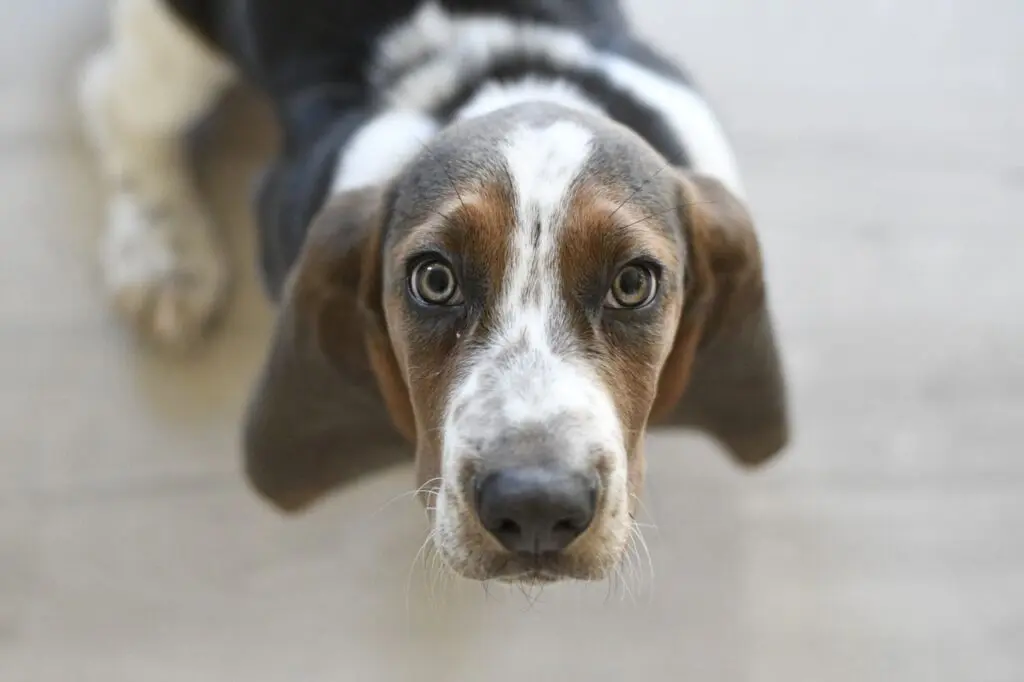
The Basset Hound is a distinctive scent hound best known for its long ears, soulful eyes and short legs. Originally bred in France for tracking small game such as rabbits and hares, they possess one of the strongest senses of smell of any dog breed, second only to the bloodhound.
Despite their laid-back appearance Basset Hounds are determined and capable working dogs with exceptional tracking abilities. Today they are cherished as affectionate family companions thanks to their gentle temperament and easy-going nature.
Personality & temperament
Basset Hounds are friendly, loyal and affectionate dogs that enjoy spending time with their families. They are known for their calm, patient nature and generally get along well with children and other pets.
Although intelligent they can also be independent and stubborn particularly when they catch and interesting scent. Their sociable personalities mean they usually enjoy the company of people and other dogs and do not like being left alone for extended periods.
Is this breed right for you?
Basset Hounds are well suited to families, couples and individuals looking for a relaxed companion. They adapt well to most homes, provided they receive regular walks and opportunities to use their excellent sense of smell.
Although they are not highly energetic, they still require 45 – 60 minutes of exercise each day to help maintain a healthy weight. Because of their powerful noses they should be kept on a lead or within a secure enclosed areas as they may follow an interesting scent without hesitation.
Grooming & care
Coat type – short, smooth dense coat
Shedding – Moderate to high shedding throughout the year
Grooming frequency – Weekly brushing to remove loose hair
Bathing – Every 6–8 weeks or when necessary
Nail, ear, and dental care – Weekly ear checks are essential due to their long ears along with regular nail trimming and tooth brushing
Health considerations
Hip dysplasia
Elbow dysplasia
Ear infections
Obesity
Intervertebral disc disease (IVDD)
Bloat
These health conditions can occur within the breed. If considering a purebred Basset Hound, ask the breeder about any health testing carried out on the parents and ensure puppies have been responsibly bred.
Training tips
Basset Hounds are intelligent but can be independent thinkers so patience and consistency are key. Positive reinforcement using food rewards and praise usually achieves the best results.
Early socialisation and basic obedience training are recommended to help build confidence and encourage good manners. Scent based games and tracking activities are excellent ways to keep their minds engaged while making the most of their natural instincts.
Fun facts
Fact 1 – A basset Hounds sense of smell is second only to the Bloodhound making them exceptional tracking dogs.
Fact 2 –Their long ears help sweep scents towards their nose while tracking.
Fact 3 – The word ‘Basset’ comes from the French word bas meaning low referring to their short stature.
Frequently asked questions
Are they good family dogs?
Yes. Basset Hounds are gentle, affectionate and patient making them wonderful family companions.
How much exercise do they need?
Around 45–60 minutes of exercise each day, along with opportunities for sniffing and mental enrichment.
Do they shed?
Yes! Their short coat sheds moderately to heavily throughout the year and benefits from weekly brushing.
Are they easy to train?
They are intelligent but can be stubborn. Consistent reward-based training and plenty of patience work best.
What health issues should owners be aware of?
Hip and elbow dysplasia, ear infections, obesity, IVDD and bloat
The Basset Hound is a gentle, affectionate and loyal breed with an outstanding sense of smell and a wonderfully relaxed personality. With regular exercise, proper weight management and plenty of companionship they make devoted family pets and charming lifelong companions.
For information about the breed standard and health advice visit the Royal Kennel Club here.
For more blog posts, visit our blog page!
Keep in touch: