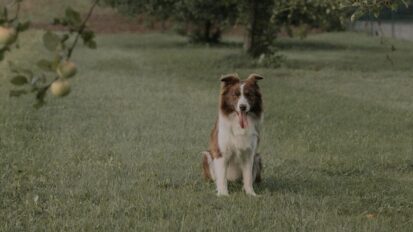

Breed name: Doberman
Category: Working
Origin: Germany
Life expectancy: 10 – 13 Years
Average size & weight: Large, 32 – 45Kg
Breed overview
The Doberman is a strong, athletic and intelligent dog breed that was originally developed in Germany in the late 19th century. The breed was developed by Karl Friedrich Louis Dobermann, a tax collector who wanted a loyal and protective dog to accompany him while working.
Dobermans are known for their athletic build, intelligence and close bonds with their families. They are energetic dogs that enjoy being active and involved in family life. Today, Dobermans are popular companion and working dogs and can excel in activities including obedience, agility and scent work.

Personality & temperament
Dobermans are loyal, affectionate and highly devoted dogs that often form strong bonds with their owners. Despite their impressive appearance, well-socialised Dobermans can be gentle, loving and playful family companions.
They are naturally alert and can be protective of their home and family. Early socialisation is therefore particularly important to help them become confident and well-balanced around unfamiliar people, dogs and new situations.
Dobermans are highly intelligent and enjoy having a job to do. They need plenty of mental stimulation as well as physical exercise and can become bored or frustrated if left without enough activity or interaction.
Is this breed right for you?
Dobermans can be well suited to active individuals, couples and families who have plenty of time to dedicate to exercise, training and companionship. Their size and energy levels mean they are generally better suited to homes where they have enough space to move around and access to regular outdoor exercise.
Around 1 – 2 hours of exercise each day is generally suitable for an adult Doberman. Combined with training, play and mental enrichment. Individual exercise needs will vary depending on age, health and lifestyle.
Dobermans are people-oriented dogs and often prefer to be involved in family life rather than spending long periods alone. Consistent training, early socialisation and plenty of positive interaction can help them develop into confident and well-mannered companions.

Grooming & care
Coat type – Short, smooth and close-lying coat
Shedding – Low to moderate shedding
Grooming frequency – Weekly brushing to remove loose hair and keep the coat looking healthy
Bathing – Every few months or when necessary
Nail, ear, and dental care – Regular nail trimming, ear checks and tooth brushing are important for maintaining good overall health
Health considerations
Dilated cardiomyopathy (DCM)
Von Willebrand’s disease
Hip dysplasia
Wobbler syndrome
Hypothyroidism
Progressive retinal atrophy and other eye problems
Gastric dilatation-volvulus (bloat)
These health conditions can occur within the breed. Ask the breeder about the health screening carried out on the parents and make sure they have bred the puppies responsibly. Regular veterinary checks are particularly important, as some health conditions can benefit from early detection and management.
Training tips
Dobermans are highly intelligent and generally eager to learn which makes them capable of excelling in obedience and other dog sports. Positive reinforcement using treats, praise and play usually produces the best results.
Early socialisation is particularly important for this naturally alert breed. Introduce puppies gradually and positively to different people, dogs, environments and everyday experiences to help build confidence.
Dobermans benefit from consistent boundaries and training from an early age. Short training sessions, scent games, puzzle toys and activities such as obedience or agility can provide excellent mental stimulation alongside their daily exercise.
Fun facts
Fact 1 – The Doberman was developed in Germany by Karl Friedrich Louis Dobermann in the late 19th century.
Fact 2 – Dobermans are highly intelligent and can excel in obedience, agility, scent work and other working activities.
Fact 3 – The breed is known for forming strong bonds with its family and is often happiest when included in everyday family life.

Frequently asked questions
Are they good family dogs?
Yes. Well-socialised and responsibly bred Dobermans can make loyal, affectionate and devoted family companions. Due to their size and strength, adults should always supervise interactions between dogs and young children and teach children how to behave appropriately around dogs.
How much exercise do they need?
Around 1 – 2 hours of exercise a day for most healthy adult Dobermans, along with training, play and mental enrichment. Owners should provide puppies with age-appropriate exercise and avoid over-exercising them while they are growing.
Do they shed?
Yes. Dobermans have a short coat and tend to shed a low to moderate amount. Regular weekly brushing can help remove loose hair and keep the coat in good condition.
Are they easy to train?
Dobermans are intelligent and often eager to please, which can make them highly trainable. They respond particularly well to positive reinforcement, consistency and early socialisation.
What health issues should owners be aware of?
Dilated cardiomyopathy, Von Willebrand’s disease, hip dysplasia, Wobbler syndrome, hypothyroidism and certain eye conditions can occur within the breed. Dobermans can also be at risk of gastric dilatation-volvulus (bloat) and so owners should be aware of the signs and discuss preventative measures with their vet.
The Doberman may have an impressive and powerful appearance, but behind that athletic exterior is an intelligent, affectionate and loyal dog that can form an incredibly strong bond with its family. With appropriate exercise, positive training, early socialisation and responsible health care, Dobermans can make wonderful lifelong companions.
Do you own a Doberman? We would love to hear your experiences and see your photos.
Follow Natural Dog Food Company on social media for more dog tips, adventures and natural dog food news.
Keep in touch: