
Breed name: Japanese Akita Inu
Category: Working
Origin: Japan
Life expectancy: 10 – 12 Years
Average size & weight: Large, approximately 25 – 40Kg
Breed overview
The Japanese Akita Inu is a powerful, dignified and loyal dog breed in the mountainous regions of northern Japan. Traditionally bred for hunting large game including wild boar, dear and bears these impressive dogs were valued for their strength, courage and determination.
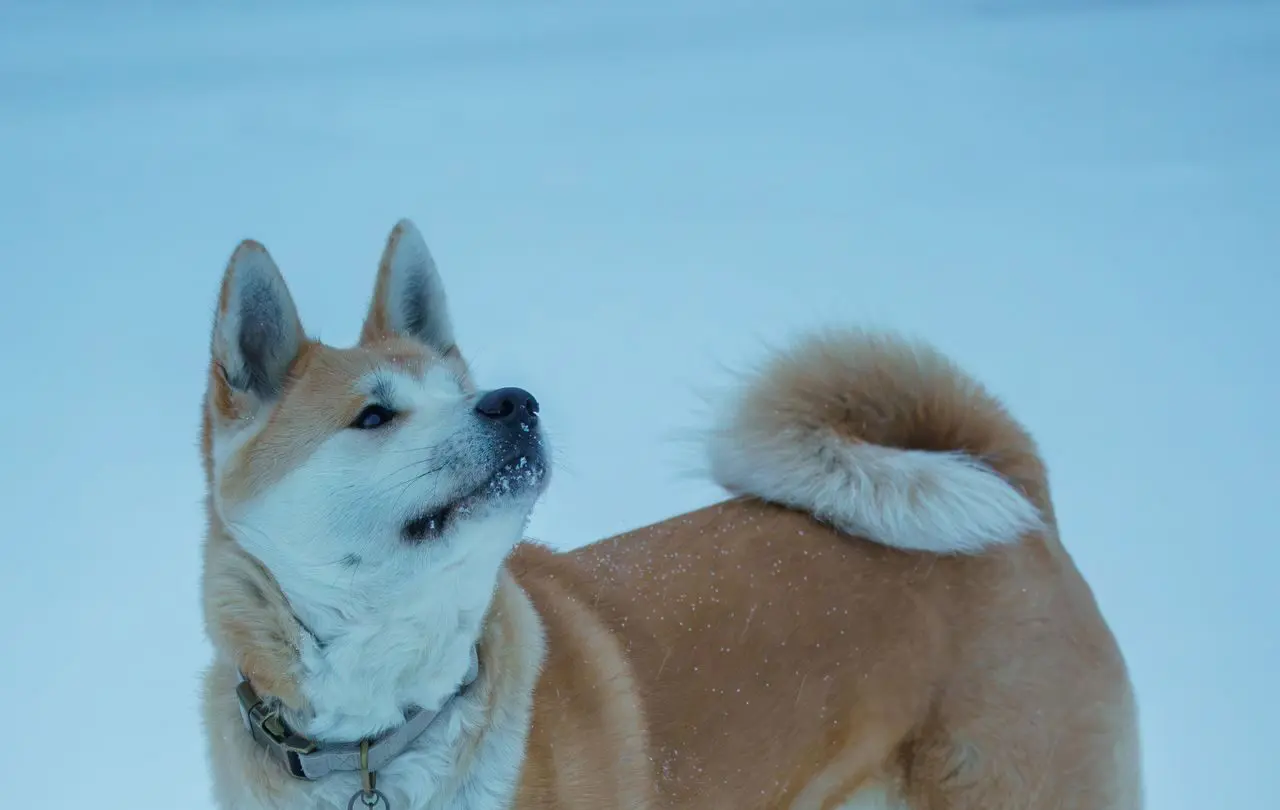
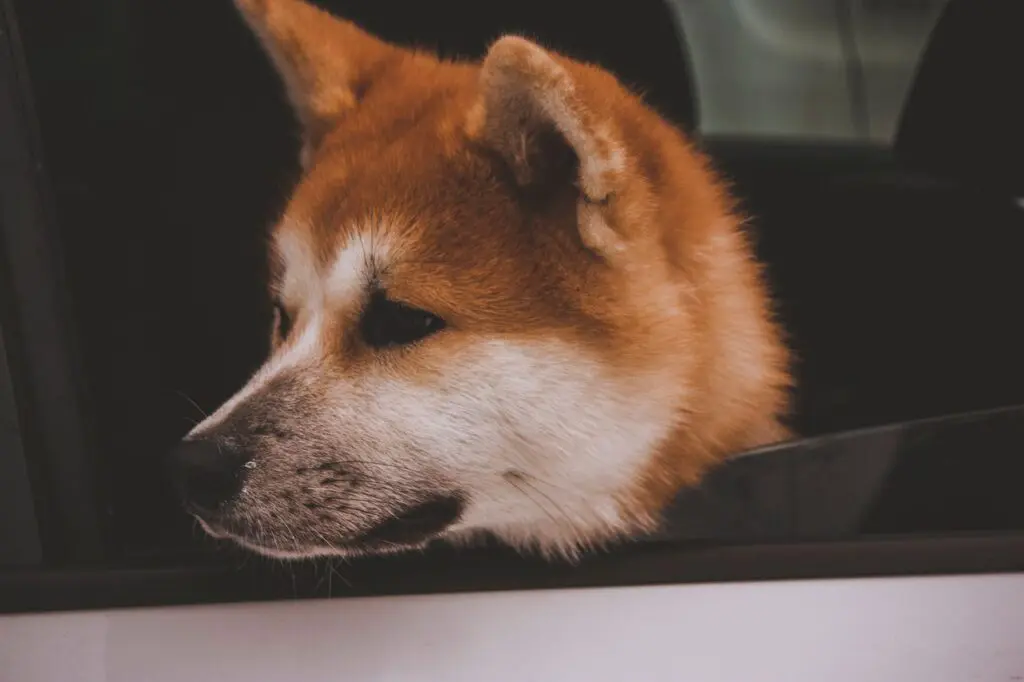
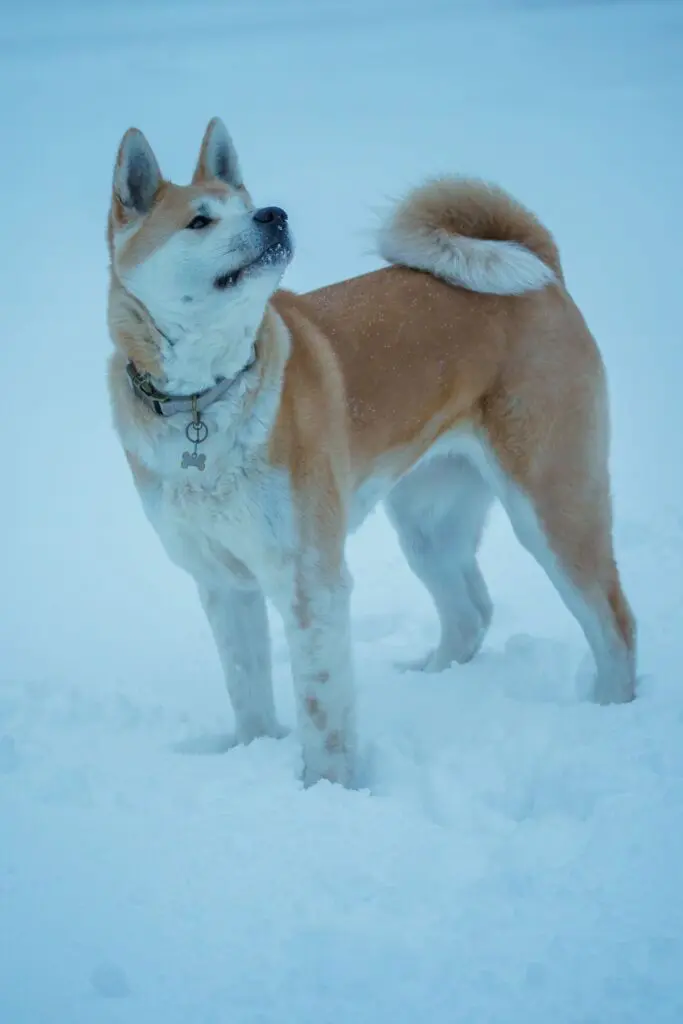
Japanese Akita Inus are instantly recognisable by their thick double coat, curled tail, upright triangular ears and distinctive fox like appearance. They have a strong, muscular build and a confident posture. Their coats can come in several colours including red fawn, brindle, white and sesame. One of their most distinctive features is the characteristic urajiro pattern which describes the whitish markings found on the sides of the muzzle, cheeks, neck, chest, body and tail.
Sometimes affectionately known as Akitas these dogs are famous for their loyalty and devotion to their families. They are often independent and reserved around strangers but can form exceptionally strong bonds with the people they know and trust.
Today Japanese Akita Inus enjoy activities including obedience, tracking, scent work and suitable dog sports. They also enjoy exploring their surroundings, spending time with their families and having opportunities to use their natural intelligence and instincts.
Personality & temperament
Japanese Akita Inus are typically confident, intelligent, independent and loyal dogs that develop strong bonds with their families. They are often calm and dignified at home but retain the courage and determination associated with their working heritage.
They can be naturally reserved around unfamiliar people and may take time to warm up to visitors. Early socialisation can help them become comfortable around different people, dogs and environments. As with any breed individual temperaments vary depending on genetics, upbringing and experience.
Their history as hunting dogs means that many Japanese Akita Inus have a strong prey drive and may be inclined to chase small animals. They can also be selective about other dogs particularly those of the same sex. Careful introductions are important when living with other pets and owners should not assume that every Akita will be comfortable sharing their home with unfamiliar animals.
Although they are devoted to their owners Japanese Akita Inus also have a strong independent streak. They are not always naturally eager to please and may prefer to make their own decisions rather than immediately respond to a command. Patience, consistency and positive training are important.
These dogs benefit from regular exercise, mental stimulation and companionship. Without suitable outlets for their energy and curiosity, they may become bored and develop unwanted behaviours.
Is this breed right for you?
Japanese Akita Inus can suit experienced individuals, couples and families looking for a loyal and independent companion. Although they can be calm and affectionate at home, they are powerful dogs with strong instincts that require responsible ownership, training and socialisation.
Around 1 to 1.5 hours of exercise each day may be appropriate for many healthy adult Japanese Akita Inus split between walks, play and enrichment activities. Some individuals will need more or less depending on their age, health and temperament. Their exercise should be varied and interesting rather than relying entirely on long walks.
Their muscular build and thick double coat make them strong and resilient dogs but owners should take care to maintain a healthy weight and avoid excessive exercise during hot weather. Puppies need age-appropriate activity while their bodies are developing and high impact exercise should be avoided during growth.
Japanese Akita Inus can adapt to different living environments provided their needs for exercise, companionship and stimulation are met. A securely enclosed garden is particularly useful as their hunting instincts and independent nature may encourage them to investigate interesting scents or pursue small animals.
They are generally devoted to their families and benefit from being included in everyday activities. Prospective owners should be prepared for a dog that can be affectionate and loyal but may also be strong willed, independent and naturally protective. Positive training, early socialisation and appropriate supervision around other animals are important parts of responsible ownership.
Grooming & Care
Coat type – Thick, dense double coat with a harsh outer coat and soft, insulating undercoat
Shedding – Moderate shedding throughout the year with heavy seasonal shedding when they blow their undercoat
Grooming frequency – Brush several times a week to remove loose hair and prevent tangles. Daily brushing may be needed during seasonal shedding.
Bathing – As needed depending on the dog’s lifestyle and coat condition
Nail, ear and dental care – Regular nail trimming, ear checks and tooth brushing are important for maintaining good overall health.
Japanese Akita Inus have a thick double coat designed to protect them from cold weather. Their coat benefits from regular maintenance, particularly during spring and autumn when they can shed large amounts of their undercoat.
A suitable grooming brush and undercoat rake can help remove loose hair and keep their coat in good condition. During seasonal shedding more frequent brushing is often necessary to prevent loose hair from accumulating around the home.
Their double coat should not normally be shaved as it provides insulation and helps regulate their body temperature. Owners should also take care during hot weather providing shade, fresh water and cooler areas to rest.
As with all dogs grooming is also an opportunity to check for skin irritation, lumps, parasites or other changes that may need veterinary attention.
Health considerations
Hip dysplasia
Progressive retinal atrophy (PRA) and other inherited eye conditions
Autoimmune conditions
Hypothyroidism
Gastric dilatation-volvulus (GDV or bloat)
Japanese Akita Inus are generally strong and robust dogs but like all breeds they can be susceptible to certain inherited and general health conditions. Hip dysplasia is an important consideration because it can affect the development of the hip joints and potentially lead to pain, stiffness and mobility problems.
Inherited eye conditions including progressive retinal atrophy can also occur and may lead to vision loss. Some Akitas can be affected by autoimmune conditions which occur when the immune system mistakenly attacks the body’s own tissues. Hypothyroidism which affects the thyroid gland is another condition that may occur within the breed.
Gastric dilatation-volvulus commonly known as bloat is a serious emergency that can affect deep chested dogs. Owners should familiarise themselves with the signs and seek immediate veterinary attention if they suspect bloat.
Their thick coat and muscular build make it important to maintain a healthy weight and provide appropriate exercise throughout their lives. Owners should also be mindful of overheating during warmer weather.
If considering a purebred Japanese Akita Inu ask the breeder about health screening carried out on both parents and whether the recommended breed-specific tests have been completed. Ask for relevant documentation rather than relying on verbal assurances alone.
Regular veterinary checks, routine dental care, a balanced diet and appropriate weight management can all contribute to a dog’s long term wellbeing. Any changes in vision, movement, appetite or behaviour should be discussed with a veterinary professional.
Training tips
Japanese Akita Inus are intelligent dogs with a strong independent nature. They can learn a wide range of behaviours but their history as working and hunting dogs means they may not always be interested in doing something simply because they have been asked.
Positive reinforcement using treats, praise and play can be particularly effective. Keep training sessions short, varied and rewarding to maintain their attention. Harsh corrections are best avoided as they can undermine trust and make training less enjoyable.
Early socialisation is particularly important. Introduce puppies gradually and positively to different people, dogs, environments and everyday experiences. This can help them develop confidence and learn appropriate ways to respond to unfamiliar situations.
Reliable recall is especially valuable because many Japanese Akita Inus have a strong instinct to chase small animals or follow interesting scents. Practise recall in secure areas and use a long line where appropriate until you are confident in your dog’s response. Even a well trained Akita may be distracted by something exciting so secure outdoor spaces are important.
Provide opportunities for mental stimulation through scent games, puzzle toys, trick training and supervised exploration. These activities allow Japanese Akita Inus to use their natural curiosity and problem solving abilities in positive ways.
Consistent boundaries, patience and regular practice can help these independent dogs become confident and well-mannered companions. Good lead manners and calm behaviour around other dogs are particularly important because of their strength and potential dog selective tendencies.
Fun facts
Fact 1 – The Japanese Akita Inu is considered a national treasure in Japan and is a symbol of loyalty, good health and long life.
Fact 2 – The famous Akita named Hachikō became a symbol of loyalty in Japan after continuing to wait at a railway station for his owner even after his owner’s death.
Fact 3 – Japanese Akita Inus have a distinctive curled tail that can rest over their backs. Each dog’s tail curl can vary slightly making it one of their recognisable features.
Frequently asked questions
Are they good family dogs?
Yes. Japanese Akita Inus can make loyal and affectionate family companions when they are well socialised, appropriately trained and given suitable care. They often develop exceptionally strong bonds with their families and can be calm and devoted at home.
However their independent nature, strength and potential dog selective behaviour mean they are generally better suited to experienced owners. They may not be suitable for every household particularly those with small pets or multiple unfamiliar dogs. As with any breed interactions between dogs and young children should always be supervised, and children should be taught how to behave respectfully around dogs.
How much exercise do they need?
Around 1 to 1.5 hours of exercise each day may be suitable for many healthy adult Japanese Akita Inus, although individual requirements vary. Walks, play, scent games and training activities can help keep them physically fit and mentally stimulated.
Puppies need age appropriate exercise and should not be pushed into excessive or high-impact activity while they are growing. Owners should also monitor their dog’s weight and mobility throughout adulthood.
Do they shed?
Japanese Akita Inus have thick double coats and are known for shedding particularly during seasonal changes. They usually shed moderately throughout the year but can lose substantial amounts of their undercoat during spring and autumn.
Regular brushing several times a week helps remove loose hair and keep the coat clean and manageable. During seasonal shedding daily brushing may be necessary. Their coat should not normally be shaved as it helps protect them from both cold and heat.
Are they easy to train?
Japanese Akita Inus are intelligent and capable of learning but their independent nature can sometimes make training challenging. They may be more interested in investigating something exciting than responding immediately to a command.
Short, engaging sessions using positive reinforcement can help keep them motivated. Early socialisation, consistent boundaries and reliable recall training are particularly important because of their natural hunting instincts and independent temperament.
What health issues should owners be aware of?
Japanese Akita Inus can be affected by inherited conditions including hip dysplasia, progressive retinal atrophy, autoimmune conditions and hypothyroidism. Gastric dilatation-volvulus is also an important health concern.
Prospective owners should discuss breed relevant health screening with breeders and ask to see documentation for the parents. Maintaining a healthy weight, providing suitable exercise and arranging regular veterinary checks can help support an Akita’s long-term health.
The Japanese Akita Inu is a striking and dignified breed with a fascinating Japanese heritage. Beneath its thick double coat and impressive appearance is a loyal, intelligent and devoted companion that forms strong bonds with its family.
With appropriate exercise, positive training, early socialisation and responsible health care the Japanese Akita can make wonderful lifelong companions for experienced owners who appreciate their independent nature and unwavering loyalty.
Do you own a Japanese Akita Inu? We would love to hear your experiences and see your photos.
Follow Natural Dog Food Company on social media for more dog tips, adventures and natural dog food news.