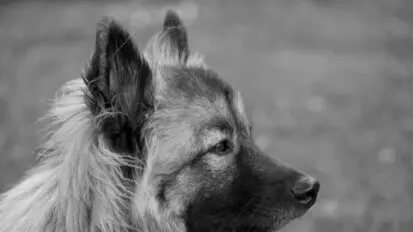

Meet This Week’s Breed
Breed name: Labrador Retriever
Category: Gundog
Origin: Newfoundland, Canada (developed further in the United Kingdom)
Life expectancy: 10 – 12 Years
Average size & weight: Medium to Large, approximately 25 – 36Kg
Breed overview
The Labrador Retriever is one of the worlds most popular and recognisable dog breeds known for its friendly personality, intelligence and loving nature. People in Newfoundland, Canada, originally developed Labradors from working dogs and used them to retrieve nets, ropes and fish from icy waters. Their natural swimming ability, strong retrieving instincts and water resistant coats made them excellent working companions.
The breed was later developed further in the UK where it became highly valued as a gundog. Hunters bred Labradors to retrieve game during shoots, relying on their excellent sense of smell, intelligence and willingness to work alongside people.
Labradors are instantly recognisable by their strong, athletic build, broad head, expressive eyes and distinctive otter like tail. They have a short, dense double coat that comes in three recognised colours: black, yellow and chocolate. Their webbed feet and water resistant coat make them particularly well suited to swimming.
Sometimes affectionately known as labs these dogs are famous for their friendly, outgoing and affectionate personalities. They are generally sociable, eager to please and enjoy being involved in family life. Their intelligence and versatility make them wonderful companions for a wide variety of households.
Today Labrador Retrievers enjoy a variety of activities including agility, obedience, scent work, tracking, retrieving and swimming. They are also widely used as assistance dogs, guide dogs, search and rescue dogs and detection dogs because of their intelligence, trainability and dependable temperament.
Personality & temperament
Labrador Retrievers are typically friendly, affectionate, intelligent and outgoing dogs that develop strong bonds with their families. People often describe them as enthusiastic and good-natured dogs that enjoy attention, playtime and spending time with others.
They are generally sociable dogs and often enjoy meeting new people and interacting with other dogs. Their friendly nature can make them excellent family companions when properly socialised. Early socialisation can help them become comfortable around visitors, other animals and different environments. As with any breed individual temperaments vary depending on genetics, upbringing and experience.
Their history as retrieving dogs means that many Labradors have a strong natural instinct to carry objects in their mouths. They often enjoy carrying toys, balls and other items around the home. Their retrieving instincts and love of food can also make them particularly enthusiastic during training.
Although they are affectionate and enjoy spending time with their owners Labradors are energetic dogs that can sometimes become over excited particularly when young. They may jump up to greet people or become boisterous during play making consistent training and appropriate boundaries important.
These dogs benefit from regular exercise, mental stimulation and companionship. Without suitable outlets for their energy and curiosity they may become bored and develop unwanted behaviours such as chewing, excessive barking or destructive habits.
Is this breed right for you?
Labrador Retrievers can suit individuals, couples and families looking for a friendly, affectionate and active companion. They are generally adaptable dogs that enjoy being part of family life but they do need plenty of opportunities to exercise, play and engage their minds.
Around 1 to 2 hours of exercise each day may be appropriate for many healthy adult labradors split between walks, play, retrieving games and enrichment activities. Some individuals will need more or less depending on their age, health and temperament. Their exercise should be varied and interesting rather than relying entirely on long walks.
Their athletic build and natural enthusiasm make them excellent companions for people who enjoy outdoor activities. Many Labradors particularly enjoy swimming, retrieving balls and exploring new environments. Owners should provide puppies with age-appropriate activities as their bodies develop and avoid excessive high-impact exercise during growth.
Labrador Retrievers can adapt to different living environments provided their needs for exercise, companionship and stimulation are met. A securely enclosed garden can be useful for play and training although it is not a substitute for daily walks and activities.
They are generally devoted to their families and benefit from being included in everyday activities. Prospective owners should prepare for an affectionate, playful and enthusiastic dog that can also have plenty of energy and a strong interest in food. Positive training, early socialisation and appropriate weight management are important parts of responsible ownership.
Grooming & Care
Coat type – Short, dense double coat with a weather resistant outer coat and soft, insulating undercoat
Shedding – Moderate to heavy shedding throughout the year with heavier seasonal shedding during spring and autumn
Grooming frequency – Brush once or twice a week to remove loose hair and keep the coat in good condition. More frequent brushing may be needed during seasonal shedding.
Bathing – As needed depending on the dog’s lifestyle and coat condition
Nail, ear and dental care – Regular nail trimming, ear checks and tooth brushing are important for maintaining good overall health.
Labrador Retrievers have a relatively low maintenance coat but their dense double coat can shed considerably. Regular brushing with a suitable grooming brush or rubber grooming mitt helps remove loose hair, distribute natural oils and keep their coat looking healthy.
Labradors have a love of swimming and outdoor adventures meaning they may need bathing more frequently than some breeds particularly after muddy walks or swimming in dirty water. Their ears should be checked regularly especially after swimming as moisture trapped inside floppy ears can increase the risk of ear infections.
Their double coat provides insulation and helps protect them from different weather conditions. Owners should not normally shave their coat, as it helps regulate their body temperature. Owners should also take care during hot weather providing shade, fresh water and opportunities to rest.
Labradors are well known for their love of food so maintaining a healthy weight is particularly important. Owners can help prevent excess weight by carefully managing their dog’s food intake and exercise levels.
As with all dogs, grooming is also an opportunity to check for skin irritation, lumps, parasites or other changes that may need veterinary attention.

Health considerations
Hip dysplasia
Elbow dysplasia
Progressive retinal atrophy (PRA) and other inherited eye conditions
Exercise-induced collapse (EIC)
Obesity-related health concerns
Labrador Retrievers are generally active and robust dogs but like all breeds they can be susceptible to certain inherited and general health conditions. Hip and elbow dysplasia are important considerations because they can affect the development of the joints and potentially lead to pain, stiffness and mobility problems.
Progressive retinal atrophy and other inherited eye conditions can also occur and may cause gradual vision loss. Responsible breeding and appropriate eye screening can help identify some inherited risks.
Exercise induced collapse is an inherited condition recognised in Labradors. Affected dogs may experience weakness, loss of coordination or collapse following intense exercise particularly during excitement or strenuous activity.
Obesity is another important concern within the breed. Labradors are often very food motivated and can be prone to weight gain if their diet and exercise are not carefully managed. Excess weight can place additional strain on their joints and increase the risk of other health problems.
If considering a purebred Labrador Retriever ask the breeder about health screening carried out on both parents and whether the recommended breed specific tests have been completed. These may include hip and elbow scoring, eye testing and relevant DNA tests. Ask for documentation rather than relying on verbal assurances alone.
Regular veterinary checks, routine dental care, a balanced diet and appropriate weight management can all contribute to a dog’s long-term wellbeing. Owners should discuss any changes in their dog’s movement, vision, exercise tolerance, appetite or behaviour with a veterinary professional.
Training tips
Labrador Retrievers are intelligent, eager to please dogs that generally enjoy learning new behaviours. Their friendly nature, food motivation and willingness to work with people can make them particularly rewarding companions to train.
Positive reinforcement using treats, praise and play can be particularly effective. Keep training sessions short, varied and rewarding to maintain their attention. Owners should avoid harsh corrections, as these can undermine their dog’s trust and make training less enjoyable.
Early socialisation is important. Introduce puppies gradually and positively to different people, dogs, environments and everyday experiences. This can help them develop confidence and learn appropriate ways to respond to unfamiliar situations.
Reliable recall is especially valuable because many Labradors enjoy exploring, following interesting scents and investigating their surroundings. Practise recall in secure areas and use a long line where appropriate until you are confident in your dog’s response. Even a well trained Labrador may become distracted by something exciting particularly another dog, a ball or an interesting smell.
Provide opportunities for mental stimulation through retrieving games, scent work, puzzle toys, trick training and supervised swimming. These activities allow Labradors to use their natural intelligence and working instincts in positive ways.
Consistent boundaries, patience and regular practice can help these enthusiastic dogs become confident and well-mannered companions. Teaching good lead manners, calm greetings and appropriate behaviour around food from an early age can make everyday life much easier.
Fun facts
Fact 1 – Despite their name Labrador Retrievers actually originated from Newfoundland, Canada where their ancestors worked alongside fishermen retrieving nets, ropes and fish from the water.
Fact 2 – Labradors have webbed feet and a powerful, otter like tail that helps them swim efficiently. Their dense, water resistant double coat also makes them excellent swimmers.
Fact 3 – Labradors use their extraordinary sense of smell to work as assistance dogs, guide dogs, search and rescue dogs, and detection dogs.

Frequently asked questions
Are Labradors good family dogs?
Yes. Labrador Retrievers are widely regarded as excellent family dogs when they are well socialised, appropriately trained and given suitable care. They are generally friendly, affectionate and playful dogs that enjoy spending time with their families.
Their energetic nature means they can sometimes become boisterous particularly when young so training and supervision are important around smaller children. Many Labradors also get along well with other dogs and pets when properly introduced. Owners should always supervise interactions between dogs and young children, whatever the breed, and teach children how to behave respectfully around dogs.
How much exercise do they need?
Around 1 to 2 hours of exercise each day may be suitable for many healthy adult Labrador Retrievers although individual requirements vary. Walks, retrieving games, swimming and training activities can help keep them physically fit and mentally stimulated.
Puppies need age appropriate exercise and should not be pushed into excessive or high impact activity while they are growing. Owners should also monitor their dog’s weight and mobility throughout adulthood.
Do they shed?
Yes. Labrador Retrievers have dense double coats and are known for shedding throughout the year with heavier shedding during spring and autumn.
Regular brushing once or twice a week helps remove loose hair and keep the coat clean and manageable. During seasonal shedding more frequent brushing may be necessary. Their coat should not normally be shaved as it helps protect them from both cold and heat.
Are they easy to train?
Labrador Retrievers are intelligent and eager to please making them one of the more rewarding breeds to train. Their natural food motivation, enthusiasm and willingness to work alongside people can help them learn quickly.
However, their excitement and energy levels can sometimes make it difficult to maintain their attention particularly when they are young. Short, engaging sessions using positive reinforcement can help keep them motivated. Early socialisation, reliable recall and good lead manners are particularly important.
What health issues should owners be aware of?
Labrador Retrievers can inherit several health conditions, including hip dysplasia, elbow dysplasia, progressive retinal atrophy and exercise-induced collapse. Obesity is also a common concern within the breed.
Prospective owners should discuss breed relevant health screening with breeders and ask to see documentation for the parents. Maintaining a healthy weight, providing suitable exercise and arranging regular veterinary checks can help support a Labrador’s long term health.
The Labrador Retriever is one of the world’s most loved dog breeds and it is easy to see why. Beneath its friendly expression and wagging otter like tail is an intelligent, affectionate and enthusiastic companion with a proud working heritage.
With appropriate exercise, positive training, a balanced diet and responsible health care, Labrador Retrievers can make wonderful life long companions for families and individuals who appreciate their friendly nature and endless enthusiasm.
Do you own a Labrador Retriever? We would love to hear your experiences and see your photos.
Follow Natural Dog Food Company on social media for more dog tips, adventures and natural dog food news.