
Breed name: Finnish Lapphund
Category: Pastoral
Origin: Finland
Life expectancy: 12 – 15 Years
Average size & weight: Medium, approximately 15 – 24Kg
Breed overview
The Finnish Lapphund is a friendly, intelligent and adaptable dog breed that was developed in Finland to work alongside the Sami people, particularly as a reindeer herding dog. Their thick double coat and hardy nature helped them cope with the cold conditions of northern Finland while their intelligence and willingness to work made them valuable herding companions.
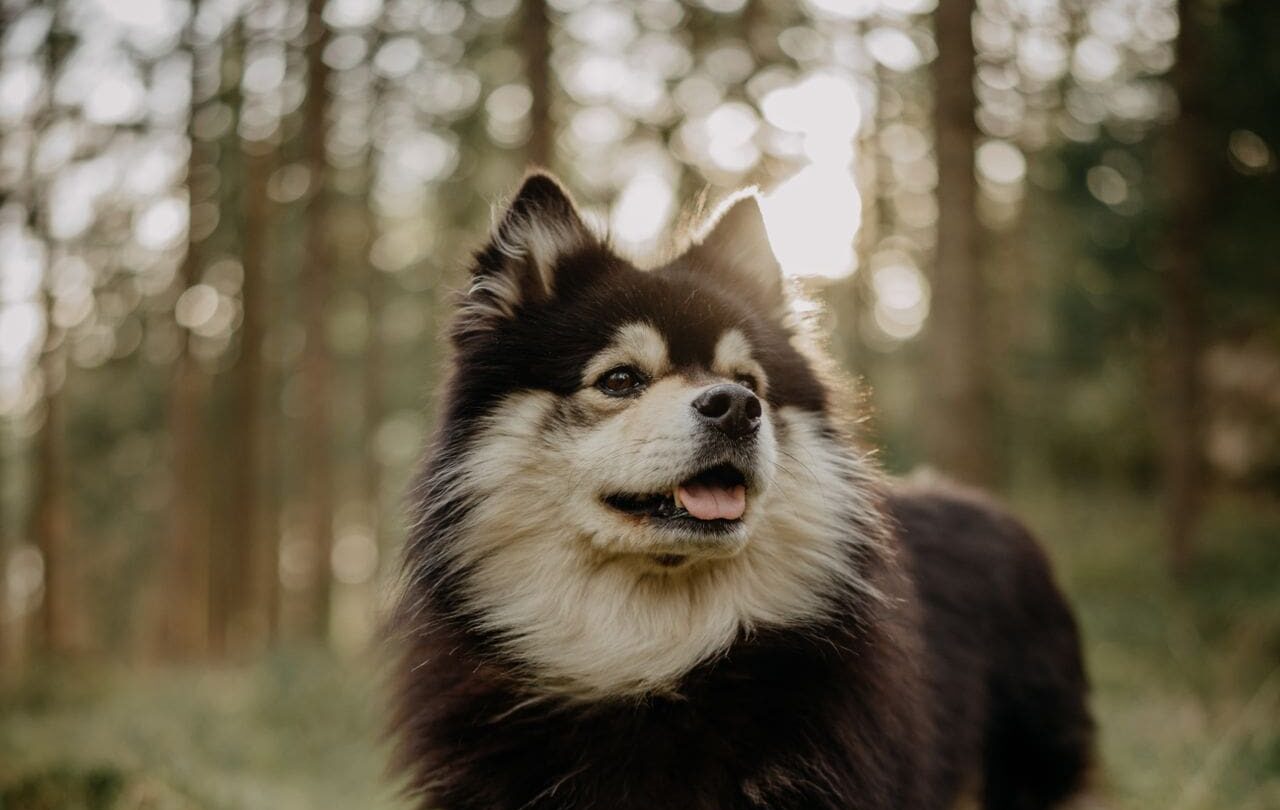
Finnish Lapphunds are known for their beautiful, fluffy coats, expressive faces and distinctive curled or carried over the back tail. They are active dogs with a strong working heritage but are also affectionate and people orientated making them popular family companions.
Today Finnish Lapphunds can enjoy a wide range of activities including obedience, agility, rally, herding, scent work and other dog sports. They generally enjoy having a job to do and benefit from being included in family activities.
Personality & temperament
Finnish Lapphunds are typically friendly, affectionate and intelligent dogs that form strong bonds with their families. They are often described as cheerful, gentle and have a playful nature that can continue well into adulthood.
They are generally sociable and when properly socialised can get along well with people and other dogs. This breed can be alert to unfamiliar sounds and visitors and may use their voice to let their owners know when something has caught their attention.
Their herding background means some Finnish Lapphunds may have a natural tendency to watch, follow or try to control movement. Early socialisation and training can help them learn appropriate ways to behave around children, other animals and everyday situations.
Finnish Lapphunds are intelligent and enjoy having something to think about. They become bored if they do not receive enough exercise, companionship and mental stimulation.
Is this breed right for you?
Finnish Lapphunds can be well suited to individuals, couples and families who have plenty of time to dedicate to exercise, training and companionship. They are active dogs but are generally adaptable and can settle well at home when their physical and mental needs are met.
Around 1 – 2 hours of exercise each day may be suitable for many healthy adult Finnish Lapphunds alongside training, play and mental enrichment. Individual exercise requirements will vary depending on age, health, temperament and lifestyle.
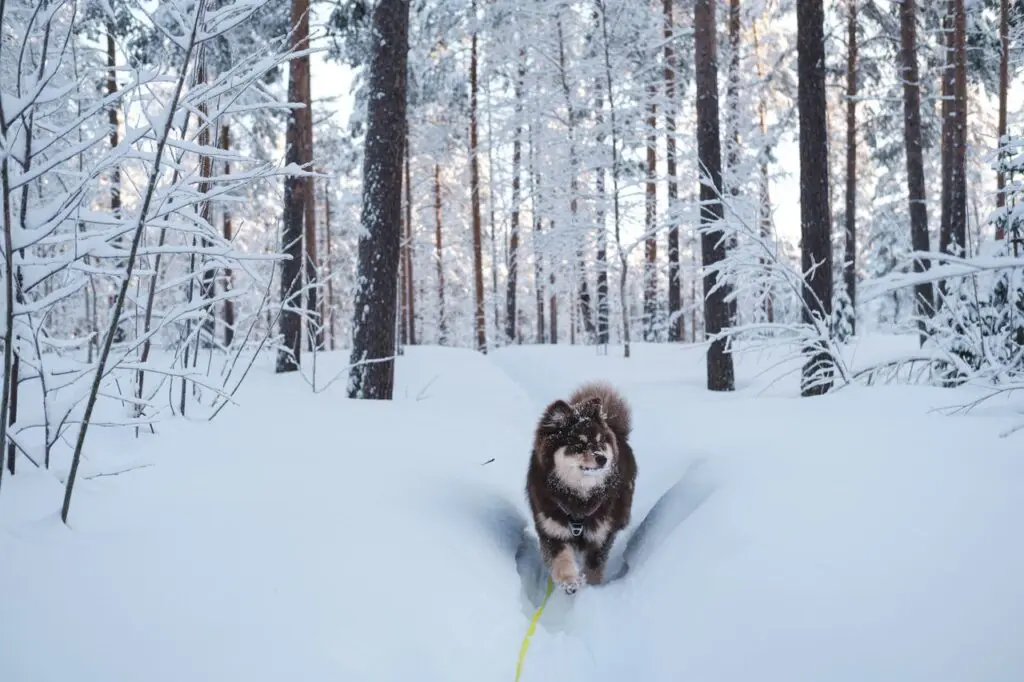
Their thick double coat means they are particularly well equipped for cold weather although owners should still take care during hot weather and provide plenty of shade, fresh water and opportunities to stay cool.
Finnish Lapphunds are people-oriented dogs and often prefer to be involved in family life rather than being left alone for long periods. Consistent training, early socialisation and positive interaction can help them develop into confident and well-mannered companions.
Grooming & Care
Coat type – Thick, medium to long double coat with a dense undercoat and longer outer coat
Shedding – Moderate to heavy seasonal shedding, particularly when the undercoat is being lost
Grooming frequency – Several times a week with more frequent brushing during seasonal coat changes to remove loose undercoat and prevent matting
Bathing – Every few months or when necessary depending on the dog’s lifestyle and coat condition
Nail, ear and dental care – Regular nail trimming, ear checks and tooth brushing are important for maintaining good overall health.
Finnish Lapphunds have a substantial double coat designed to protect them from harsh weather. Their coat should generally be maintained through regular brushing rather than excessive trimming or shaving as the coat provides important protection from both cold and environmental conditions.
Health considerations
Hip dysplasia
Elbow dysplasia
Progressive retinal atrophy (PRA)
Hereditary cataracts
Generalised progressive retinal atrophy (GPRA)
Pompe disease
Certain inherited eye conditions
These health conditions can occur within the breed although responsible breeding and appropriate health screening can help reduce the risk of inherited problems.
If considering a purebred Finnish Lapphund ask the breeder about health testing carried out. Testing is should be carried out on both parents, relevant breed health screening recommendations should be followed. Regular veterinary checks are important throughout the dog’s life as early detection can help with the management of many health conditions.
Training tips
Finnish Lapphunds are intelligent, eager to learn and generally responsive to training particularly when training is positive, varied and rewarding. Positive reinforcement using treats, praise and play can be very effective.
Their working background means they often enjoy having a task to complete. Short training sessions, scent games, trick training, puzzle toys and obedience exercises can provide valuable mental stimulation.
Early socialisation is important. Introduce puppies gradually and positively to different people, dogs, environments and everyday experiences to help them develop into confident adults.
Finnish Lapphunds can be quite vocal so teaching a reliable “quiet” cue and rewarding calm behaviour can be useful from an early age. Consistent boundaries and positive training can help prevent unwanted behaviours from becoming established.
Activities such as agility, rally, obedience, scent work and herding can be particularly enjoyable for Finnish Lapphunds because they combine physical exercise with mental stimulation.
Fun facts
Fact 1 – The Sami people traditionally used Finnish Lapphunds to herd reindeer in northern Finland.
Fact 2 – Their thick double coat helps protect them against the cold and harsh weather conditions found in their native northern environment.
Fact 3 – This breed is quite vocal and uses a range of sounds to communicate with its owners.
Frequently asked questions
Are Finnish Lapphunds good family dogs?
Yes. Well-socialised and responsibly bred Finnish Lapphunds can make affectionate, friendly and playful family companions. They are intelligent and generally enjoy being involved in family life.
Their herding background means some individuals may try to control movement or follow children. This means appropriate training and supervision are important. As with any breed, adults should always supervise interactions between dogs and young children. Parents and carers should also teach children how to behave appropriately around dogs to help keep them safe.
How much exercise do they need?
Around 1 – 2 hours of exercise a day may be suitable for many healthy adult Finnish Lapphunds alongside training, play and mental enrichment. They often enjoy activities that allow them to use both their bodies and their brains.
Puppies should have age-appropriate exercise and should not be over exercised while they are growing.
Do Lapphunds shed?
Yes. Finnish Lapphunds have a thick double coat and can shed quite heavily particularly during seasonal coat changes.
Regular brushing several times a week can help remove loose hair and keep the coat in good condition. During heavy shedding periods more frequent grooming may be needed.
Are they easy to train?
Finnish Lapphunds are intelligent and generally enjoy learning particularly when training is positive and rewarding.
They can sometimes have an independent streak so repetitive training may not hold their attention for long. Keeping sessions short, varied and interesting can help keep them engaged.
Their natural tendency to vocalise can also make teaching calm and quiet behaviour an important part of their training.
What health issues should owners be aware of?
Finnish Lapphunds can be affected by conditions including hip dysplasia, elbow dysplasia, progressive retinal atrophy, hereditary cataracts and other inherited eye conditions. Pompe disease is another inherited condition that breeders can screen for.
Prospective owners should discuss appropriate health testing with breeders and ask to see relevant health screening information for the parents. Regular veterinary checks throughout the dog’s life are also important.
People may best know the Finnish Lapphund for its beautiful, fluffy coat and its connection to the snowy landscapes of Finland. Behind that distinctive appearance is an intelligent, affectionate and hardworking dog with a fascinating history.
With appropriate exercise, positive training, early socialisation and responsible health care, families can enjoy Finnish Lapphunds as wonderful lifelong companions when they include them in everyday life.
Do you own a Finnish Lapphund? We would love to hear your experiences and see your photos.
Follow Natural Dog Food Company on social media for more dog tips, adventures and natural dog food news.
Keep in touch: