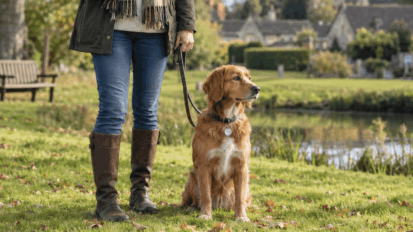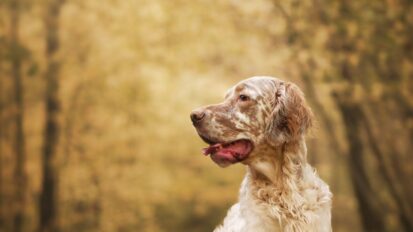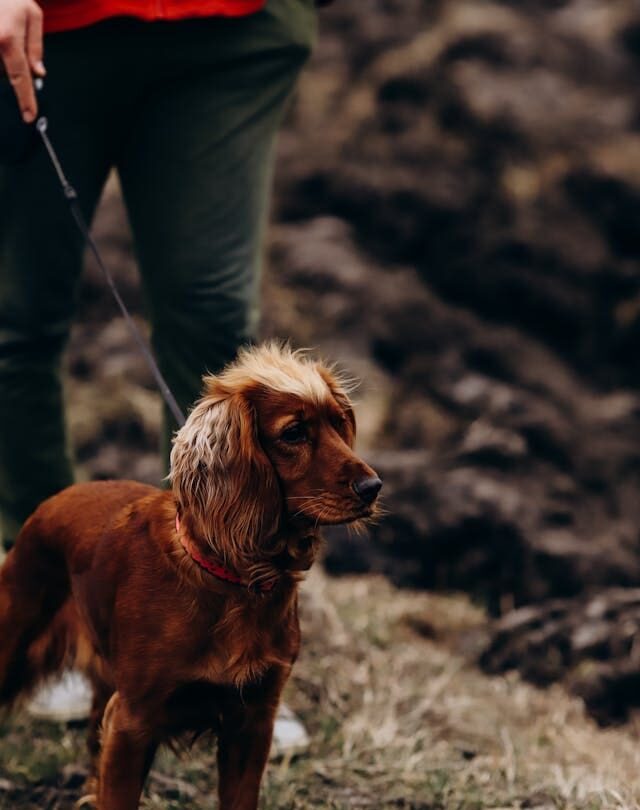

May is National Walking Month and with brighter days and (hopefully!) more sunshine it is the perfect time to get outdoors and enjoy longer walks with your dog. Whether you are exploring the countryside, heading to the coast, visiting a local park or discovering a new woodland trail, walking is one of the best ways to support your dog’s physical health and mental wellbeing.
Dogs truly are the ideal walking companions, always eager to go, endlessly curious and happiest when exploring the world through their noses. With a little preparation, you can make every walk safer, more enjoyable and stress free for both of you.
Start with the essentials
Before setting off make sure you have everything you need for a successful dog walk:
- Poo bags (always carry extras).
- Fresh water and a portable bowl.
- Lead and collar or harness
- Natural Dog Food treats for training and recall.
- Weather appropriate gear (for both you and your dog)
- Natural Dog Food Company collapsible bowl and waste bag dispensers have handy clips for on the go!
When you arrive somewhere new allow your dog a few minutes to sniff and explore. Sniffing isn’t just a habit, it is vital mental stimulation and can help your dog feel calmer and more settled before the walk begins.
Remember not every walk needs to be long or fast paced. Calm, enriching walks with time to sniff and explore can be just as tiring and rewarding as longer hikes.
Plan Dog Friendly Walking Routes
While spontaneous walks can be fun, planning ahead is key when walking your dog in the UK. Always check:
- Whether dogs are allowed in the area (especially beaches, nature reserves and private land)
- Local restrictions such as Public Spaces Protection Orders (PSPOs)
- Lead requirements and livestock warnings
Ignoring local rules can result in fines and may put wildlife or livestock at risk. A quick check online or reading signage at the location can save a lot of trouble.
If you are heading somewhere rural or unfamiliar let someone know your plans and expected return time. A fully charged phone is essential and the What 3 Words app can be very useful in getting help to you quickly during an emergency even if signal may be limited.
Consider Your Dogs Fitness and Ability
Every dog is different. Before planning a long walk, think about:
- Age, puppies and senior dogs need shorter walks
- Breed, some struggle more in the warmer weather
- Health and fitness level
Build up distances gradually if your dog isn’t used to longer walks. Choose routes that suit your dog, not just ones that look scenic. Consider terrain, shade, access to water and any obstacles like steep hills or stiles.
Keep Your Dog Hydrated and Cool
Hydration is essential, especially during warmer weather. Offer your dog water regularly, not just when they seem thirsty.
Watch for signs of overheating:
- Excessive panting
- Slowing down
- Seeking shade
- Lethargy
Plan shaded rest stops and avoid walking during the hottest parts of the day. Early morning or evening walks are often best in warmer months. Natural Dog Food Company collapsible bowls are a handy reminder to keep hydrated!
Build in Rest Breaks
A good dog walk isn’t a race. Regular rest stops allow your dog to recover, rehydrate and enjoy the surroundings.
If your route includes water, a paddle can be great fun but always prioritise safety:
- Avoid fast flowing rivers
- Be cautious around deep or unknown water
- Check tide times at the coast
Keep dogs on a lead near cliffs, steep drops or hazardous terrain.
Ensure Your Dog Can Be Identified
In the UK it is a legal requirement for dogs to wear a collar with an ID tag in public. This should include:
- Your name and address
- A contact phone number (strongly recommended)
Microchipping is also compulsory and your details must be kept up to date.
A simple but effective tip: keep a recent photo of your dog on your phone in case they ever go missing during a walk.
Lead Walking, Recall and Dog Etiquette
Good behaviour is essential for safe and enjoyable walks. If your dog is off lead:
- Ensure they have reliable recall
- Keep them within sight and under control
Always be considerate of others:
- Don’t allow your dog to approach people or dogs without permission
- Put your dog on a lead near children, cyclists, horses or nervous dogs
Even friendly dogs can cause concern if they run up unexpectedly. Responsible dog walking helps keep everyone safe.
Take Care Around Livestock and Wildlife
The UK countryside is a shared space so when walking your dog:
- Keep them on a lead near livestock at all times
- Follow the Countryside Code
- Be especially cautious during lambing season
Between 1st March and 31st July dogs must be kept on a lead on open access land, even if livestock aren’t visible.
Always:
- Close gates behind you
- Stick to marked paths
- Take all rubbish home
Respecting the environment ensures these spaces remain accessible for everyone. The countryside code can be found on the government website.
Seasonal Dog Walking Tips
- Spring/Summer: Watch out for heatstroke, ticks and grass seeds
- Autumn: Be mindful of mud, slippery leaves and shorter daylight hours
- Winter: Consider visibility gear and protect paws from ice and grit
Enjoy every walk
Walking your dog is about more than exercise, it is about bonding, exploring and enjoying time together. Every walk, whether it is a quick stroll or a countryside adventure contributes to your dogs happiness and wellbeing.
So this National Walking Month why not grab a lead, pack your essentials and head outdoors.
Don’t forget to take photos along the way, we would love to see your adventures!
For more blog posts, visit our blog page!
For more blog posts, visit our blog page!
Keep in touch: